The 2026 Toyota RAV4 arrives with a clear message: the mainstream compact SUV is moving deeper into electrification without asking everyday drivers to give up practicality. Instead of treating hybrid power as a niche upgrade, Toyota is making it central to the RAV4 lineup. For shoppers who want better fuel efficiency, available all-wheel drive, useful cargo space, and Toyota’s reputation for long-term dependability, the redesigned RAV4 deserves a serious look.
What’s New for 2026
The biggest change is simple but important: the 2026 Toyota RAV4 is an all-hybrid lineup. Toyota announced that the redesigned RAV4 will be offered with hybrid and plug-in hybrid powertrains, moving away from the traditional gas-only formula that helped define the model for years.
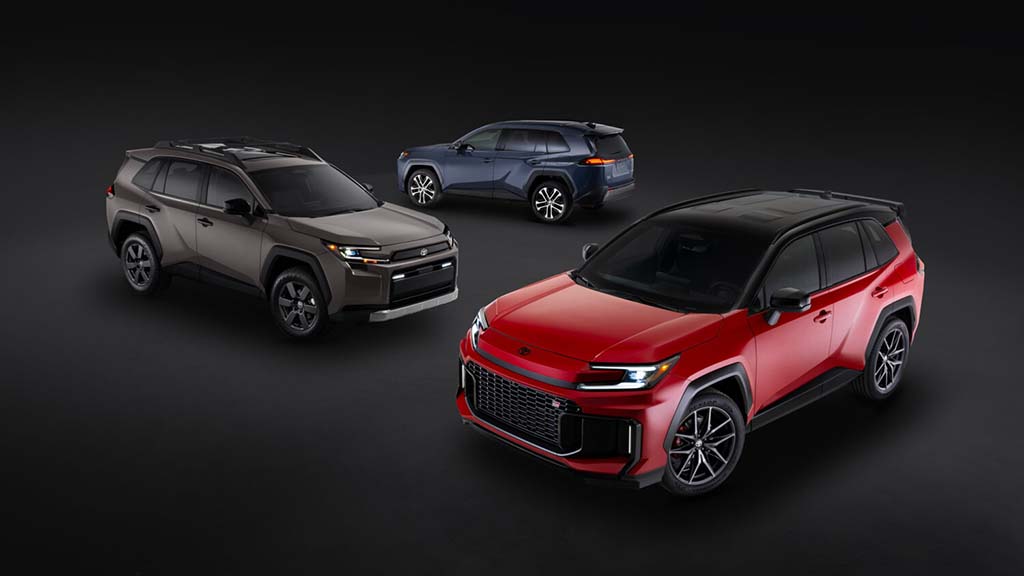
The exterior design is also new, with Toyota organizing the lineup around distinct personalities. Core trims are aimed at everyday comfort, Woodland adds a more rugged flavor, and sport-focused trims bring a sharper look. That gives buyers more choice without forcing them into a completely different vehicle class.
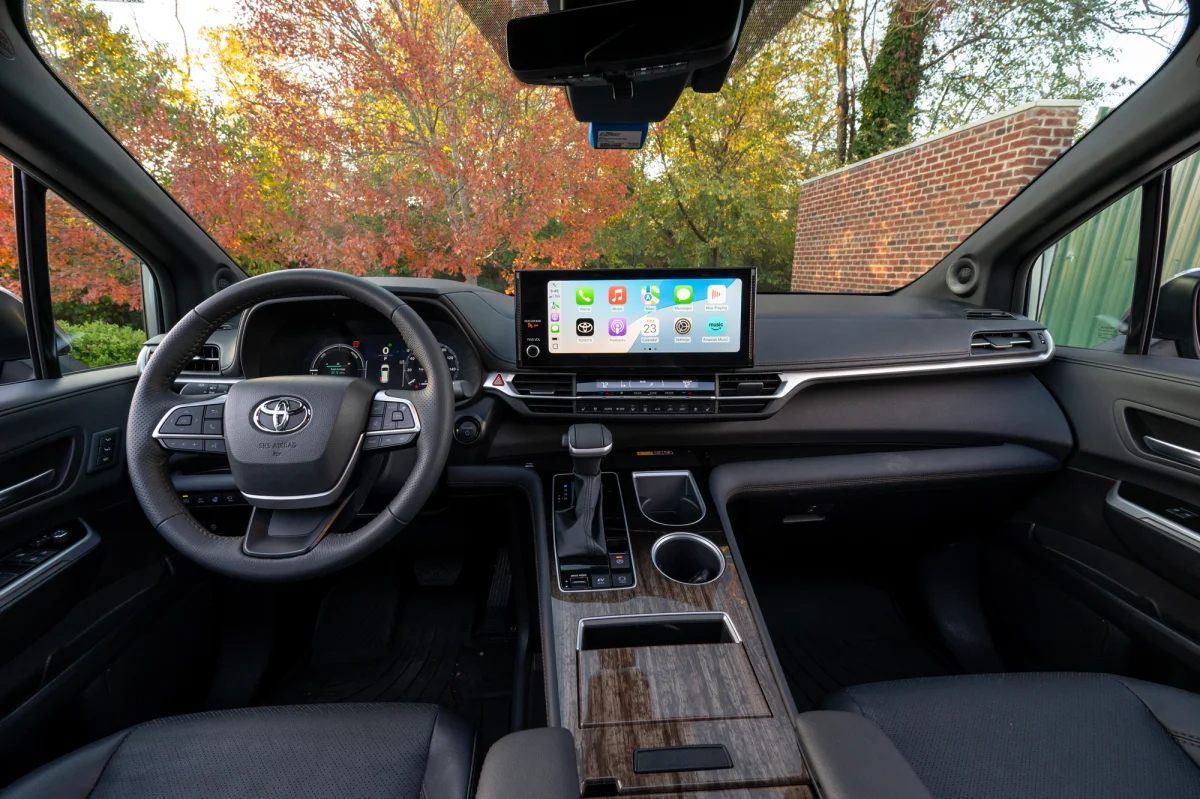
Inside, the 2026 RAV4 also gets a more modern technology setup, including Toyota’s newer software-based interface and available larger screens, according to Toyota’s official announcement. The result is a compact SUV that feels less like a mild update and more like a full reset.
Confirmed Specs and What They Mean
Toyota confirmed that the 2026 RAV4 uses its latest hybrid system, with both hybrid electric and plug-in hybrid options available. The standard hybrid version is expected to appeal to most shoppers because it delivers strong efficiency without requiring charging.
Toyota’s announced output figures are also meaningful. The hybrid model is rated at up to 226 horsepower with front-wheel drive and up to 236 horsepower with all-wheel drive, while the plug-in hybrid version is rated at up to 324 horsepower, according to Toyota. That means the RAV4 is no longer just a sensible compact SUV; in plug-in hybrid form, it becomes one of the more powerful choices in the segment.
For buyers, the takeaway is straightforward: the 2026 RAV4 should feel more responsive than older gas-only compact SUVs while still prioritizing efficiency and daily usability.
Powertrain, Range, MPG, or Performance
The standard hybrid RAV4 is the practical pick. It does not need to be plugged in, and it uses electric assist to reduce fuel use during normal driving. That makes it ideal for commuters, families, and anyone who wants hybrid benefits without changing their routine.
The plug-in hybrid model is the more exciting option. Toyota says the 2026 RAV4 Plug-in Hybrid offers a manufacturer-estimated electric driving range of up to an EPA-estimated 54 miles all-electric range on the SE trim and up to 324 horsepower. That electric range could cover many daily errands or commutes before the gasoline engine is needed, though real-world results depend on driving style, weather, terrain, and charging habits.
The regular RAV4 page lists hybrid trims such as LE/SE/XLE Premium at 47/40 mpg, Woodland at 41/35 mpg, and XSE/Limited at 43/37 mpg. The RAV4 Plug-in Hybrid page lists combined MPG/MPGe estimates by trim, including SE at 40/101, Woodland at 37/94, XSE at 40/96, and GR SPORT at 36/86.
Interior and Practicality
The RAV4 has always succeeded because it does ordinary things well. The 2026 version appears to continue that formula with a cabin designed around useful space, flexible cargo room, and technology that fits modern driving.
Expect the RAV4 to remain easy to live with: a manageable footprint for parking, a higher seating position than a sedan, and cargo flexibility for groceries, luggage, sports gear, pet supplies, or weekend projects. That balance is why the RAV4 has long been one of Toyota’s most important vehicles.
The redesigned interior also matters because compact SUV shoppers increasingly expect more than just durability. A larger infotainment interface, improved digital displays, and updated connectivity can make the RAV4 feel more current against newer rivals from Honda, Hyundai, Kia, Mazda, Ford, and Subaru.
Safety and Driver Assistance
Toyota says the 2026 RAV4 comes standard with Toyota Safety Sense 4.0, its latest driver-assistance suite, and Toyota’s launch materials identify the RAV4 as the first Toyota model to receive TSS 4.0 through the company’s Arene software platform. Toyota says the system includes updated hardware and detection capabilities, while its broader TSS 4.0 safety information describes features such as Pre-Collision System with Pedestrian Detection, Full-Speed Dynamic Radar Cruise Control, Lane Departure Alert with Steering Assist, Lane Tracing Assist, and Proactive Driving Assist.
Toyota’s later 2026 RAV4 campaign materials also list standard Toyota Safety Sense 4.0, standard Blind Spot Monitor with Rear Cross-Traffic Alert, and standard LED headlights with Automatic High Beams, which strengthens the safety-feature story beyond the basic driver-assistance suite.
These systems can be useful for families, commuters, and older drivers because they are designed to support common driving situations such as forward-collision warnings, emergency braking assistance, lane support, adaptive cruising, and nighttime visibility. However, they should be described as driver-assistance features, not replacements for attentive driving, because Toyota’s own safety materials note operating-condition limits and advise checking the owner’s manual for model-specific details.
As of the sources checked, completed crash-test ratings for the redesigned 2026 RAV4 should still be verified before publication. NHTSA lists both the 2026 Toyota RAV4 Hybrid and 2026 Toyota RAV4 Plug-in Hybrid among 2026 model-year vehicles selected for 5-Star Safety Ratings testing, and it separately lists the RAV4 Hybrid for advanced crash-avoidance verification testing. IIHS’s 2026 Toyota Top Safety Pick page currently lists Toyota winners such as the Prius, Camry, and Tundra, but does not show the redesigned 2026 RAV4 on that Toyota award list in the source checked.
Who This Vehicle Is Best For
The 2026 Toyota RAV4 is best for buyers who want a compact SUV that is efficient, practical, and easy to recommend. It makes the most sense for:
- Drivers who want hybrid efficiency without needing to plug in
- Commuters who want available all-wheel drive
- Families who need practical cargo space in a manageable size
- Buyers who value Toyota’s reputation for reliability
- Shoppers considering a plug-in hybrid but still wanting gasoline backup
- Drivers who want a mainstream SUV with stronger performance than older compact crossovers
The plug-in hybrid version is especially compelling for people who can charge at home or at work. With Toyota’s manufacturer-estimated electric range of up to EPA-estimated 54 miles on SE, many daily drives could be handled largely on electric power.
Who Should Skip It
The RAV4 is not the perfect answer for everyone. Buyers who want the lowest possible purchase price may find that a used gas-only compact SUV or a smaller crossover is more budget-friendly. Drivers who do frequent long-distance towing should also look carefully at official tow ratings before deciding.
Shoppers who want a luxury cabin may prefer a Lexus NX, Acura RDX, Volvo XC60, or another premium SUV. And buyers who want a fully electric vehicle should compare the RAV4 Plug-in Hybrid with dedicated EVs instead of assuming a plug-in hybrid will satisfy the same need.
The RAV4 is designed to be broadly useful, not extreme. That is its strength, but it also means adventure-focused drivers, luxury shoppers, and EV-only buyers may want something more specialized.
Main Rivals
The 2026 Toyota RAV4 competes in one of the toughest vehicle categories in the market. Its main rivals include:
- Honda CR-V Hybrid
- Hyundai Tucson Hybrid and Plug-in Hybrid
- Kia Sportage Hybrid and Plug-in Hybrid
- Ford Escape Hybrid and Plug-in Hybrid
- Mazda CX-50 Hybrid
- Subaru Forester Hybrid, where available
- Nissan Rogue, especially for buyers comparing mainstream compact SUVs
The RAV4’s biggest advantage is its combination of name recognition, hybrid focus, broad trim selection, and Toyota’s established hybrid experience. Rivals may offer richer interiors, different warranty coverage, or sharper pricing, but the RAV4’s all-around appeal remains difficult to ignore.
Release Date / Availability
Toyota’s official pages are now live with pricing. The standard 2026 RAV4 starts at $31,900, while the RAV4 Plug-in Hybrid starts at $41,500 before destination/fees shown separately by Toyota.
Final Take
The 2026 Toyota RAV4 looks like one of the most important compact SUV launches in recent memory because it turns hybrid power from an option into the foundation of the lineup. That is a smart move for shoppers who want better efficiency without giving up the familiar size, seating position, cargo flexibility, and everyday usefulness that made the RAV4 so popular in the first place.
For most buyers, the regular hybrid will likely be the sweet spot. It offers efficiency, useful power, and no charging requirement. For drivers with home charging access, the plug-in hybrid adds meaningful electric range and stronger performance.
The bottom line: the 2026 RAV4 should be high on the list for anyone shopping a new compact SUV with long-term practicality and modern hybrid power.