Choosing between a hybrid and a plug-in hybrid can feel confusing at first, but the decision becomes much easier when you focus on how you actually drive. Both options are designed to reduce fuel use compared with a traditional gas-only vehicle, but they work in different ways. A standard hybrid is simple, efficient, and familiar: you fuel it with gasoline and let the vehicle manage the electric motor automatically. A plug-in hybrid, often called a PHEV, adds the ability to charge from an outlet or charging station and drive some trips using electric power before the gas engine takes over. For shoppers who want lower fuel costs, fewer gas-station stops, and a smoother daily drive, both can make sense. The better choice depends on your commute, home charging access, budget, and how much convenience matters to you.
The Simple Case for a Traditional Hybrid
A traditional hybrid is the easier choice for drivers who want better fuel economy without changing their routine. You do not need to install a charger, plan around public charging, or remember to plug in at night. You simply drive, refuel with gasoline, and let the vehicle’s battery and motor assist the engine automatically.
That simplicity is a major reason hybrids remain attractive. They are especially useful for drivers who spend time in city traffic, where regenerative braking can help recover energy during stop-and-go driving. For commuters, families, rideshare drivers, and anyone who wants efficiency without extra steps, a hybrid is often the most practical upgrade from a gas-only car.
A hybrid may make the most sense if:
- You do not have reliable access to home charging
- You live in an apartment or condo without an assigned charging spot
- You take frequent long drives and want quick refueling
- You want better fuel economy with the fewest lifestyle changes
- You prefer a proven, low-maintenance ownership experience
The main appeal is convenience. A hybrid does not ask you to rethink your routine, but it can still help reduce fuel use over time.
Why a Plug-In Hybrid Can Be the Smarter Upgrade
A plug-in hybrid gives you more flexibility. When charged regularly, it can cover many everyday drives using electric power, while still keeping a gasoline engine available for longer trips. That combination makes a PHEV appealing to drivers who like the idea of an electric vehicle but are not ready to depend entirely on charging infrastructure.
For many households, the daily commute is predictable. Trips to work, school, the grocery store, and local errands may fit comfortably within a PHEV’s electric driving capability, depending on the model. When the battery is depleted, the vehicle continues operating like a hybrid, using gasoline when needed.
A plug-in hybrid may make the most sense if:
- You can charge at home, work, or both
- Most of your daily driving is local
- You want to reduce gasoline use without going fully electric
- You occasionally take road trips and want gas-engine backup
- You are willing to plug in regularly to get the best value
The key phrase is “plug in regularly.” A PHEV delivers its strongest benefits when charging becomes part of your normal routine. Without charging, you may not get the efficiency advantage that makes the vehicle worth considering.
The Biggest Question: Can You Charge Conveniently?
Charging access is the dividing line between these two options. A traditional hybrid is ideal when charging is unavailable or inconvenient. A plug-in hybrid becomes much more compelling when charging is easy, predictable, and affordable.
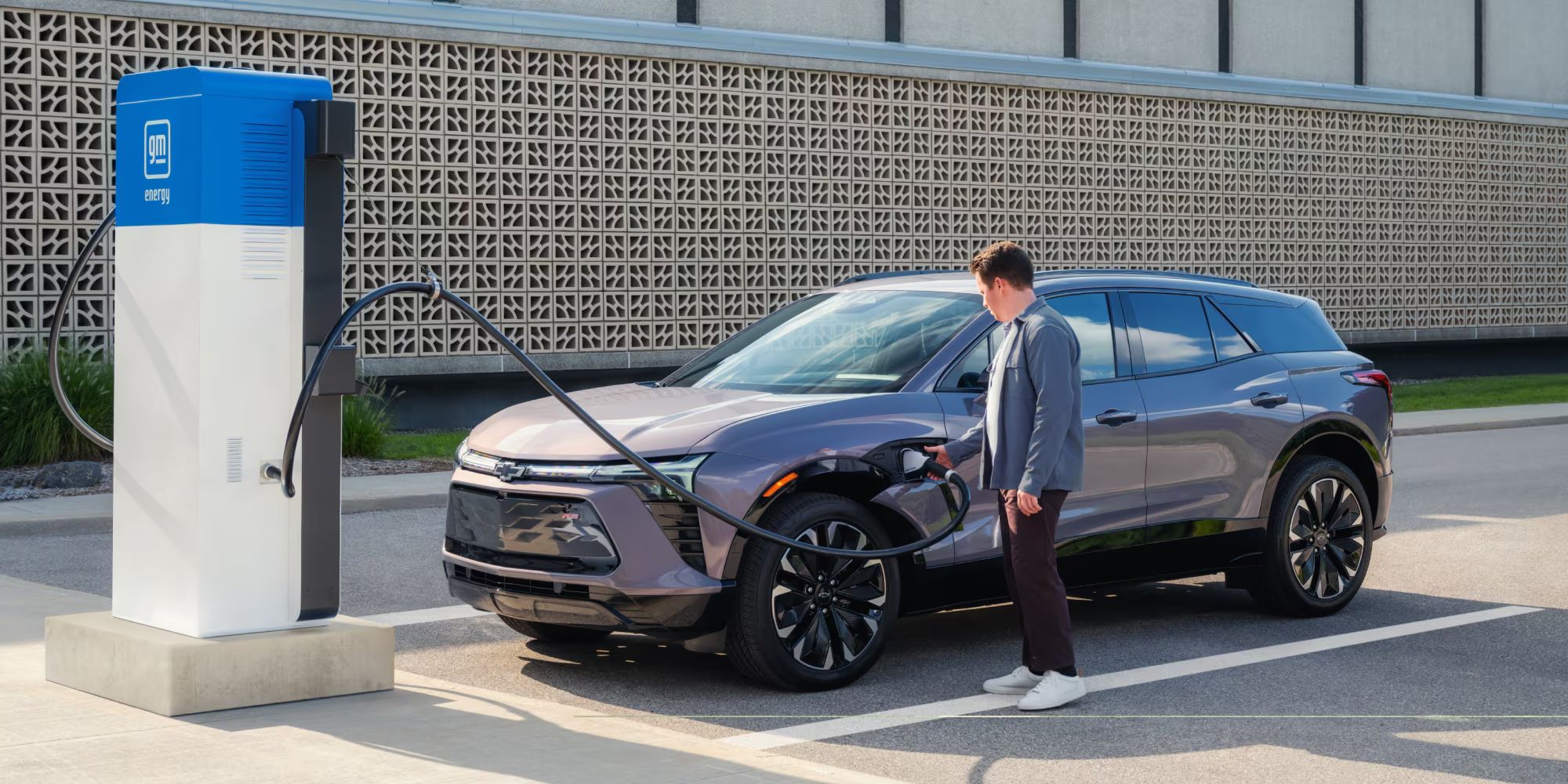
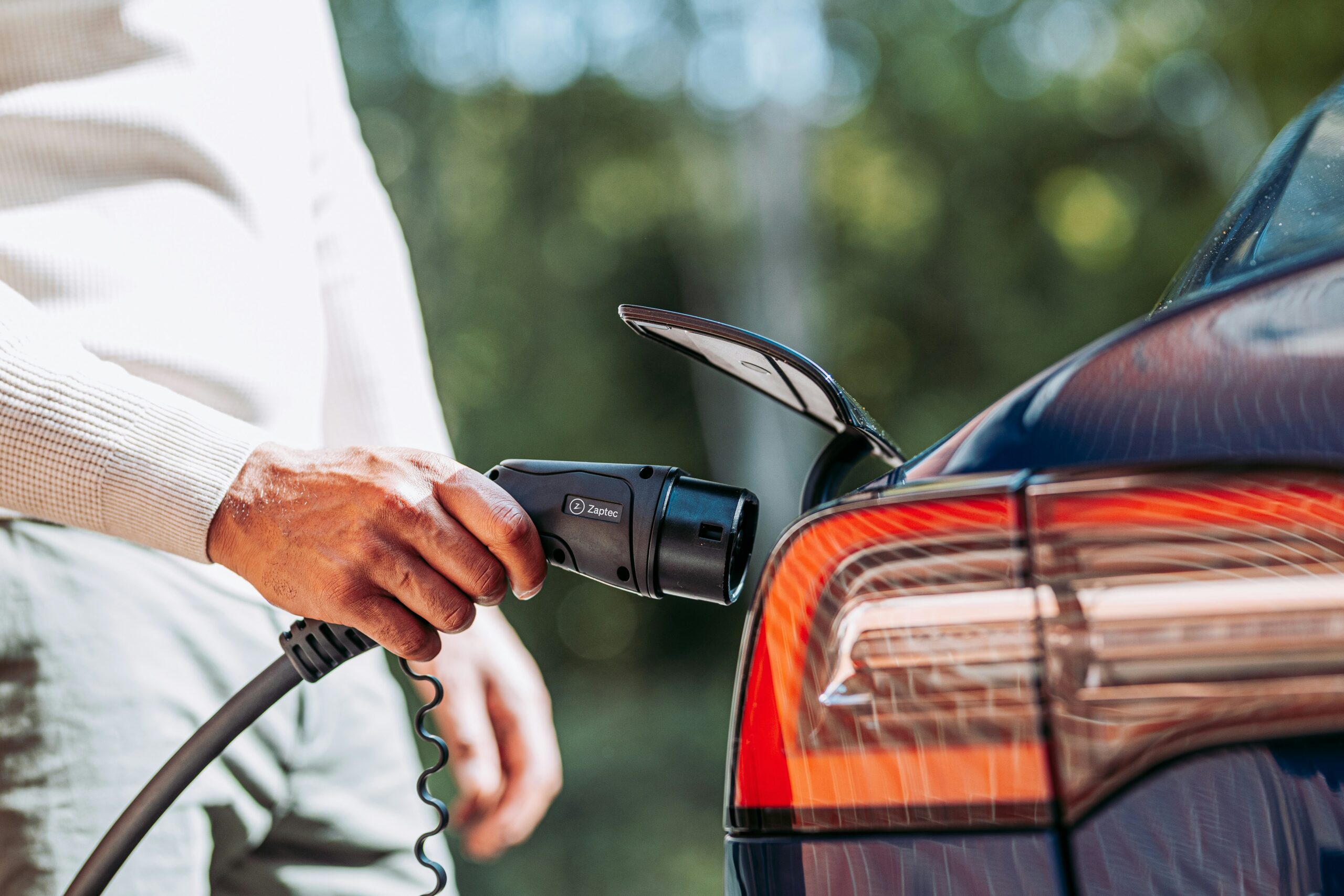
Home charging is usually the biggest advantage. Even a standard household outlet may be useful for some plug-in hybrid owners, depending on the vehicle and daily mileage. A dedicated home charger can make the process faster and more convenient, but not every driver needs one. Workplace charging can also be valuable, especially for people who commute several days per week.
Public charging is improving in many areas, but relying on public stations for daily PHEV charging can be less convenient than charging at home. Unlike a fully electric vehicle, a PHEV does not require charging to keep moving, but its biggest savings usually come from using electricity often.
Before choosing a plug-in hybrid, ask yourself one practical question: will plugging in feel effortless? If the answer is yes, a PHEV can be a powerful choice. If the answer is no, a traditional hybrid may deliver more consistent real-world value.
Daily Driving Habits Matter More Than the Badge
The best vehicle is not always the one with the most technology. It is the one that fits your real driving pattern.
A hybrid is excellent for mixed driving, unpredictable schedules, and households that want one vehicle to do everything with minimal planning. It can improve efficiency in town, handle highways easily, and refuel quickly on long trips.
A plug-in hybrid is best for drivers with shorter daily routes and charging access. When used properly, it can feel like an electric car during the week and a gas-powered road-trip vehicle when needed. That dual personality is exactly why many shoppers find PHEVs so appealing.
Think about your typical week, not your ideal week. Consider:
- How far you drive on a normal day
- Whether you park near an outlet or charger
- How often you take long highway trips
- Whether you want maximum convenience or maximum fuel savings
- Whether anyone else in your household will remember to plug in
This is where the decision becomes personal. A PHEV that is charged daily can be a smart, efficient choice. A PHEV that is rarely charged may not justify its added complexity for some buyers.
Cost, Incentives, and Long-Term Value
Purchase price, fuel costs, maintenance, resale value, insurance, and available incentives can all affect the final decision. Because incentives and vehicle eligibility can change, shoppers should always confirm current offers through official sources before buying.
In general, traditional hybrids can be appealing because they often cost less than comparable plug-in hybrids and do not require home charging equipment. Plug-in hybrids may offer greater fuel savings for drivers who charge frequently, but the value depends heavily on electricity rates, gasoline prices, commute length, and how often the vehicle is driven in electric mode.
Maintenance is another practical factor. Both hybrids and plug-in hybrids still have gasoline engines, so they are not maintenance-free. However, regenerative braking can reduce wear on some brake components, and electric driving in a PHEV may reduce how often the gas engine is used. Actual maintenance costs will vary by model and driving habits.
For buyers comparing total value, the smartest move is to look beyond the window sticker. Estimate your real commute, charging options, fuel costs, and ownership timeline. A traditional hybrid may be the better deal for simplicity. A plug-in hybrid may be the better deal for drivers who can use electric power every day.
The Bottom Line
For most drivers, the choice comes down to convenience versus electric-driving opportunity. Choose a traditional hybrid if you want an efficient vehicle that works exactly like a regular gas car, with no charging required. It is the lower-friction option and often the safer bet for drivers without reliable charging access.
Choose a plug-in hybrid if you can charge consistently and want to make many daily trips using little or no gasoline. It gives you the freedom to drive locally on electric power while keeping the reassurance of a gas engine for longer journeys.
The smartest next step is to compare your real driving routine against both options. Look at where you park, how far you drive, how often you travel, and whether plugging in would become a habit or a hassle. In 2026, both hybrids and plug-in hybrids can make sense. The winning choice is the one that fits your life so naturally that saving fuel becomes almost automatic.