Car insurance has become one of the most frustrating household expenses for drivers. Even safe drivers with clean records are noticing that premiums feel harder to manage than they used to. The reason is not simple: insurance rates are shaped by repair costs, claim frequency, vehicle technology, medical expenses, weather-related damage, fraud, and the way insurers price risk. For many households, the good news is that high rates do not mean you are stuck. Drivers who compare options, adjust coverage wisely, and understand what insurers look at may be able to find a policy that fits their needs without sacrificing important protection.
Why Car Insurance Rates Still Feel High
Car insurance companies do not raise rates randomly. Premiums are usually based on the cost of paying claims, and those claim costs have become more expensive across much of the industry.
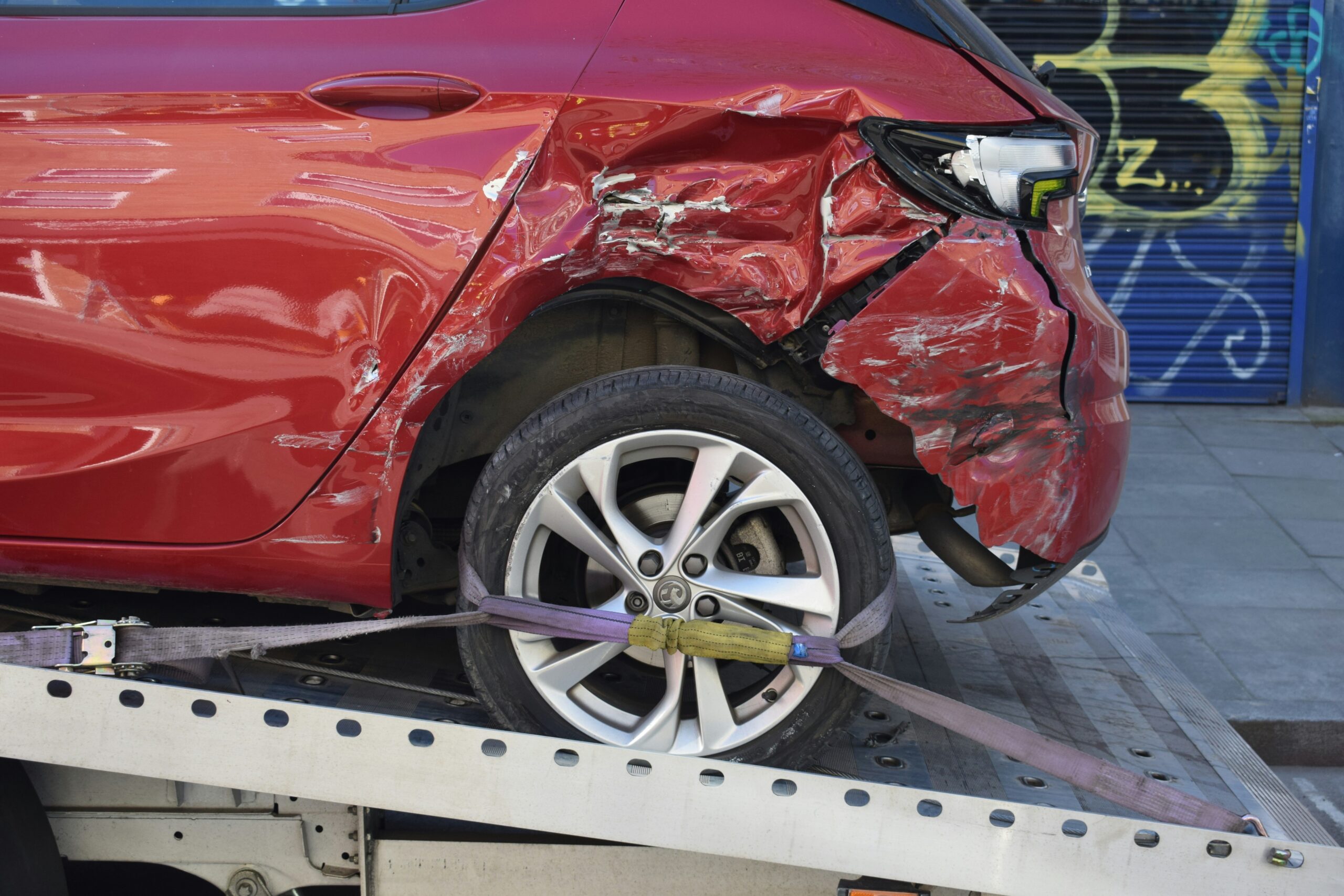
Modern vehicles are safer in many ways, but they are also more complicated and expensive to repair. A simple bumper repair may now involve sensors, cameras, radar components, and calibration work. That means even moderate accidents can produce larger repair bills than drivers expect.
Medical costs can also affect auto insurance. When accidents lead to injury claims, insurers may have to pay for treatment, rehabilitation, legal expenses, and settlements. Those costs can influence the price of coverage for everyone in a market.
Weather and natural disasters are another factor. Hail, flooding, wildfires, and severe storms can damage thousands of vehicles at once. Even drivers who never file a collision claim may feel the impact when comprehensive claim costs rise in their region.
The Hidden Costs Built Into Modern Vehicles
Many drivers assume a newer car should be cheaper to insure because it has advanced safety features. Sometimes that is true, but not always. Newer vehicles often include expensive parts that require specialized labor after an accident.
Features that may increase repair complexity include:
- Advanced driver-assistance systems
- Windshield cameras and sensors
- Blind-spot monitoring equipment
- Parking sensors
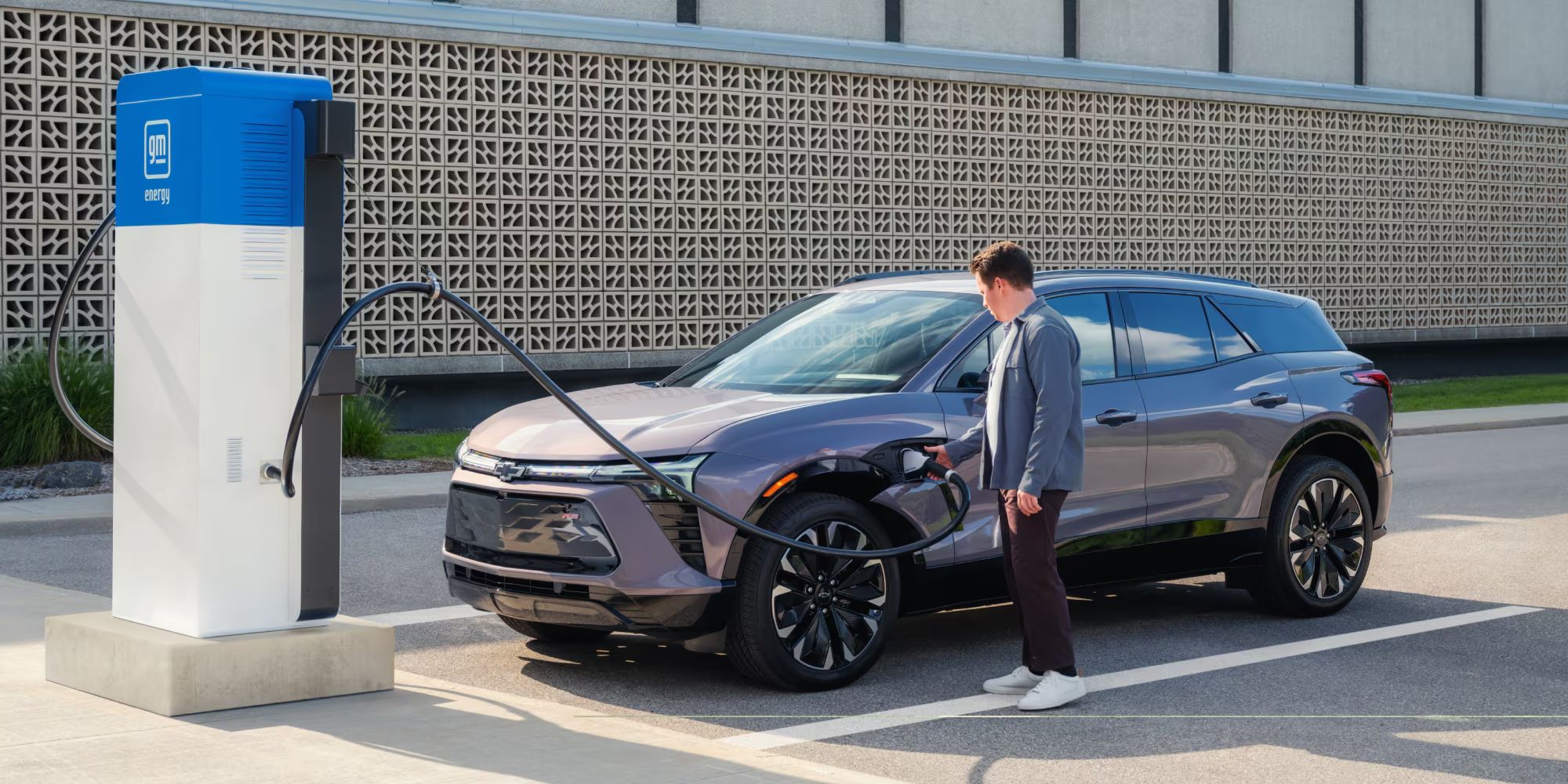
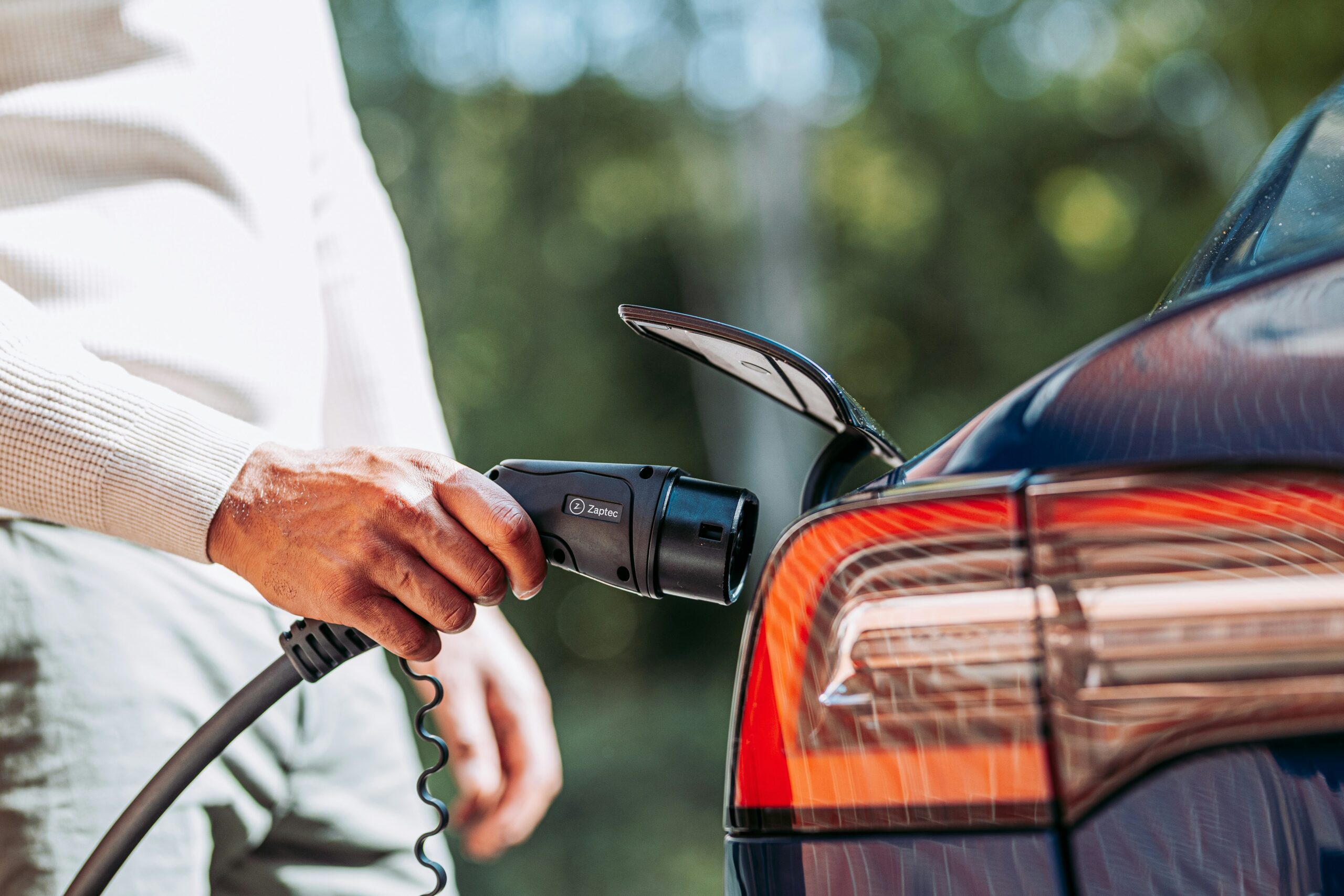
- Electric vehicle battery systems
- Aluminum or specialty body materials
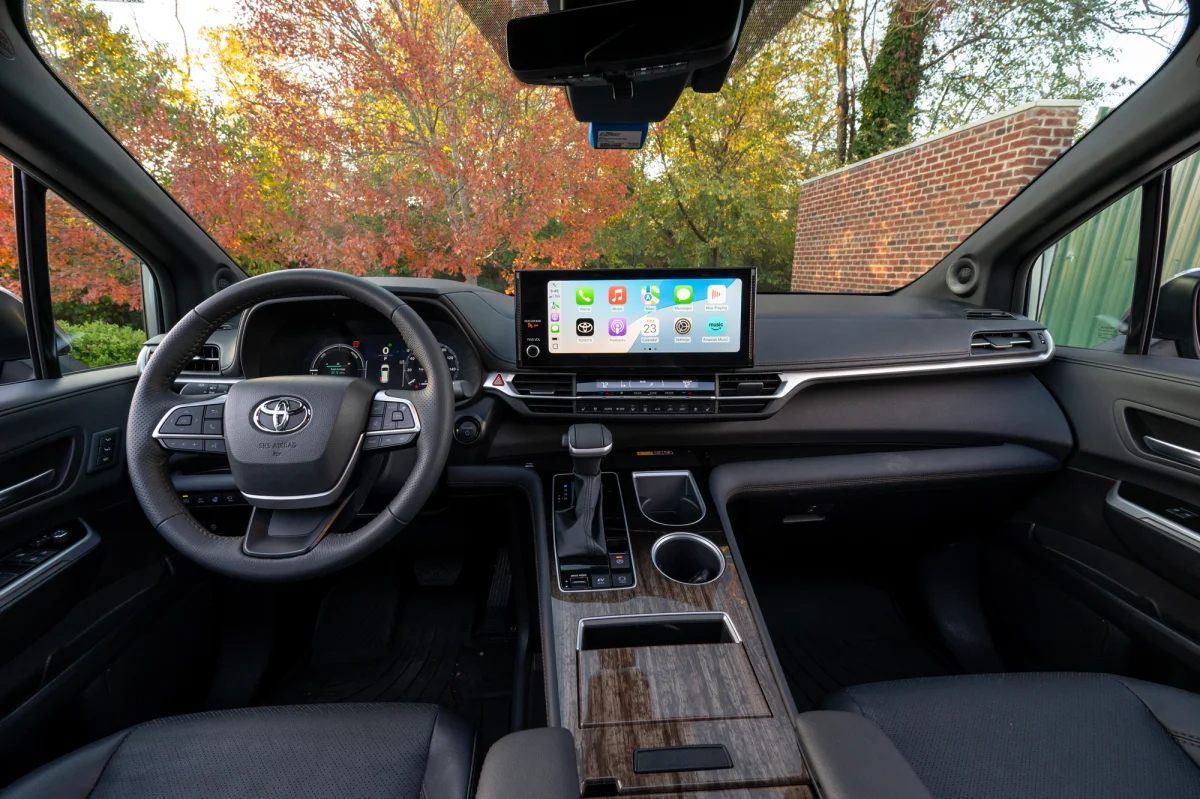
- Integrated infotainment and control modules
These systems can help prevent accidents, but when damage occurs, repairs may require diagnostic scans, recalibration, and original equipment parts. That can raise the average claim cost for insurers.
This is why two vehicles with similar purchase prices can have very different insurance premiums. Before buying a car, it is smart to get insurance quotes for the exact make, model, trim, and year you are considering.
Why Your Location Matters More Than You Think
Where you live can have a major effect on your rate. Insurers often look at local claim trends, traffic density, vehicle theft rates, repair costs, lawsuit activity, and weather exposure.
A driver in a dense urban area may pay more than a similar driver in a quieter rural area because there may be more accidents, theft, vandalism, and claims nearby. Likewise, a state or region with frequent hailstorms, hurricanes, flooding, or uninsured drivers may see higher average premiums.
This does not mean you need to move to save money. It means you should make sure your policy reflects your real driving habits and storage situation. For example, parking in a garage, driving fewer miles, or working from home may help some drivers qualify for savings depending on the insurer.
What Drivers Can Do to Lower Their Premium
The biggest mistake many drivers make is renewing automatically. Loyalty can be convenient, but it does not always produce the best rate. Insurance companies price risk differently, so the company that was cheapest a few years ago may not be the best fit today.
Consider these practical steps:
- Compare quotes from multiple insurers before renewing
- Ask about safe-driver, low-mileage, good-student, or multi-policy discounts
- Review whether your deductible still makes sense
- Remove unnecessary add-ons you no longer need
- Keep continuous coverage whenever possible
- Maintain a clean driving record
- Improve your credit-based insurance profile where allowed by law
- Consider usage-based or telematics programs if you are a safe driver
Bundling home and auto coverage may help some households, but it is not automatically the best option. Compare bundled and separate policies before deciding.
Do Not Cut Coverage Without Understanding the Risk
When premiums rise, it can be tempting to reduce coverage to the legal minimum. That may lower the bill, but it can create serious financial risk after an accident.
State minimum liability limits may not be enough if you cause a crash involving injuries, multiple vehicles, or expensive property damage. Once your policy limit is exhausted, you may be personally responsible for the remaining costs.
Before lowering coverage, review:
- Your liability limits
- Collision and comprehensive coverage
- Uninsured and underinsured motorist protection
- Medical payments or personal injury protection
- Rental reimbursement
- Roadside assistance
- Gap coverage, if you finance or lease your vehicle
A smarter approach is to compare policies with similar coverage first. That way, you are not just finding a cheaper policy—you are finding a better value.
How to Shop Smarter in a High-Rate Market
The best time to shop for car insurance is before your renewal date. Gather your current declarations page, vehicle information, driver details, and estimated annual mileage. Then compare quotes using the same coverage limits so you can make a fair decision.
Do not focus only on the monthly premium. Look at deductibles, coverage exclusions, claims service reputation, available discounts, and financial strength. A low-cost policy is not helpful if it leaves you exposed when you need it most.
It may also help to speak with an independent insurance agent. Independent agents can often compare multiple carriers and explain why one company may be a better fit for your driving profile than another.
Conclusion
Car insurance rates remain a challenge for many drivers because the cost of claims has become more expensive and more complex. Vehicle technology, repair labor, medical expenses, weather losses, theft, and local risk trends all play a role. But high rates do not mean drivers are powerless.
The most effective move is to be proactive. Review your policy, compare quotes, ask about discounts, and make sure your coverage still matches your life. A few minutes of shopping could help you find better value while keeping the protection you need on the road.