Buying a used electric vehicle can be one of the smartest ways to get into EV ownership without paying new-car prices. The best used EVs offer quiet driving, lower routine maintenance needs, and practical daily range, all while avoiding much of the early depreciation that comes with buying new. But unlike shopping for a used gas vehicle, the biggest questions are different: How healthy is the battery? Is the real-world range enough? Will the car hold its value? This guide walks you through what to check before you buy so you can shop with confidence and choose a used EV that fits your lifestyle.
Start With Battery Health, Not Just Mileage
When buying a used EV, mileage matters, but battery health matters more. An electric vehicle’s battery is its most valuable component, and its condition directly affects range, performance, resale value, and long-term ownership satisfaction.
Most EV batteries degrade gradually over time. That means a used EV may still drive beautifully even if it no longer delivers the same range it had when new. Before buying, ask for a battery health report whenever available. Some EV brands provide battery condition data through the vehicle’s settings, while third-party inspection services and EV-focused reports may provide more detail.
Pay attention to:
- Estimated battery capacity compared with original capacity
- Real-world range shown after a full charge
- Charging history, especially frequent fast-charging use
- Remaining battery warranty coverage
- Any warning lights or battery-related service records
A clean vehicle history is helpful, but it is not a substitute for battery information. A used EV with slightly higher mileage but strong battery health may be a better buy than a lower-mileage model with noticeable range loss.
Match Range to Your Real Driving Life
One of the most common used EV shopping mistakes is focusing only on the original advertised range. That number may not reflect today’s real-world range after years of use, weather exposure, driving habits, and battery aging.
Instead, think about your actual weekly driving. A used EV does not need the longest range on the market to be a great purchase. It simply needs enough dependable range for your daily routine, with a comfortable buffer.
Consider these questions before choosing a model:
- How far do you drive on a normal weekday?
- Can you charge at home, work, or nearby?
- Do you often take long road trips?
- Is public charging reliable in your area?
- Do you live somewhere with very hot or cold weather?
Cold weather, highway driving, heavy cargo, and frequent use of climate control can reduce range. For many shoppers, the best value is not the EV with the biggest battery. It is the EV that comfortably handles everyday driving without forcing constant charging stops.
Check Charging Compatibility Before You Buy
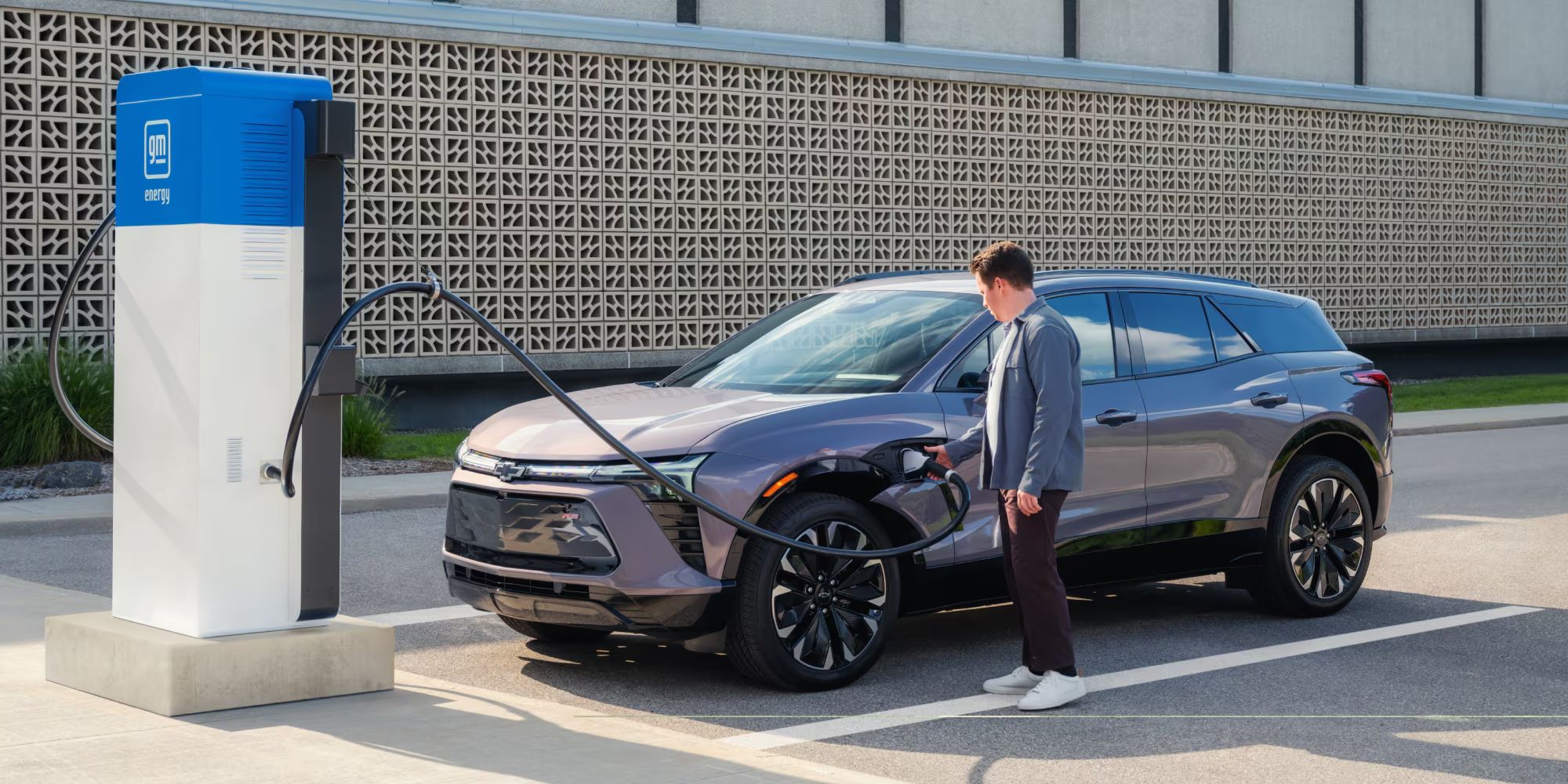
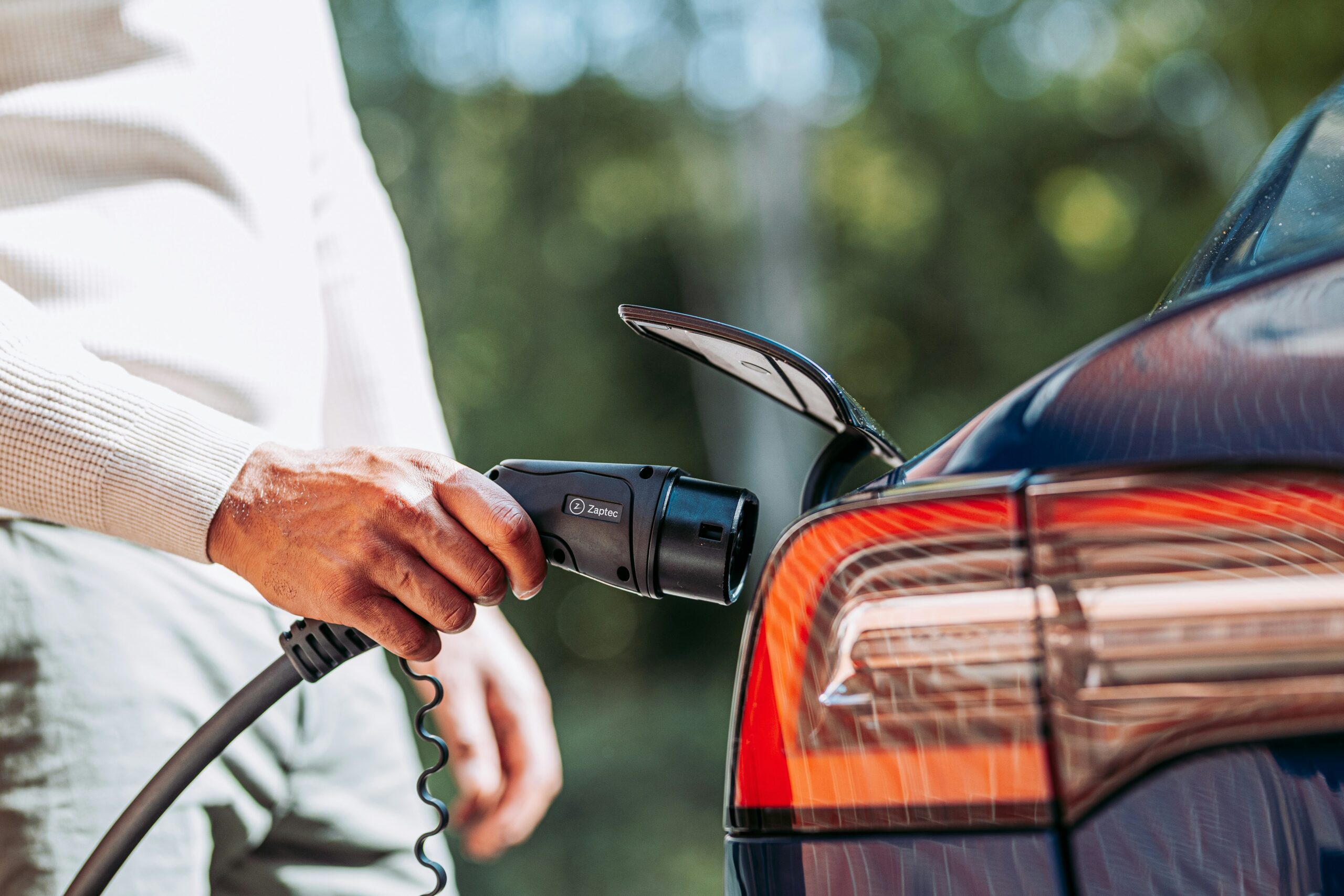
Charging convenience can make or break the used EV ownership experience. Before committing to a vehicle, confirm how it charges, how quickly it charges, and whether it works well with the charging options near you.
For home charging, check whether the vehicle can use Level 2 charging, which is commonly used for overnight charging. For public charging, look at the vehicle’s fast-charging capability and plug type. Charging networks and connector standards continue to evolve, so compatibility is worth confirming before purchase.
A good used EV buying process should include:
- Confirming the included charging cable, if any
- Checking the vehicle’s maximum AC and DC charging capability
- Looking up nearby public chargers you would realistically use
- Reviewing whether the vehicle supports route planning with chargers
- Understanding whether adapters are available or needed
A used EV with moderate range can still be highly practical when charging is easy. On the other hand, even a long-range EV can become frustrating if charging options are inconvenient for your routine.
Look Beyond the Sticker Price to Find Real Value
The right used EV can deliver excellent value, but the cheapest listing is not always the best deal. A strong value purchase balances price, battery health, features, condition, warranty coverage, charging access, and resale potential.
Used EVs can have lower routine maintenance needs because they do not require oil changes and have fewer moving drivetrain parts than gasoline vehicles. However, you should still budget for tires, brakes, suspension items, cabin filters, software-related diagnostics, and potential out-of-warranty repairs.
Before buying, compare similar vehicles based on:
- Battery condition
- Trim level and range version
- Accident history
- Tire condition
- Warranty remaining
- Service records
- Charging equipment included
- Software and infotainment functionality
Some used EVs are priced attractively because they have shorter range, older technology, or limited charging speed. That is not automatically a problem. For a commuter, second car, student vehicle, or local errands vehicle, a shorter-range EV can be a smart buy when the condition and price make sense.
Take the Test Drive Seriously
A used EV test drive should be more than a quick loop around the block. EVs are smooth and quiet, which can sometimes hide issues you might notice more easily in a gas vehicle. During the test drive, focus on how the vehicle feels, sounds, charges, and reports range.
Before driving, note the battery percentage and estimated range. During the drive, watch whether the range estimate drops at a reasonable pace. Test acceleration, braking, regenerative braking modes, steering, suspension comfort, climate control, infotainment, and driver-assistance features.
Also check:
- Uneven tire wear
- Brake feel and noise
- Suspension rattles
- Charging port condition
- Dashboard alerts
- Touchscreen responsiveness
- Heat and air conditioning performance
- Whether all keys, apps, and connected features work
Because EVs rely heavily on software, make sure the vehicle’s menus, charging settings, navigation, and mobile app connection are functioning properly. A professional pre-purchase inspection from a technician familiar with EVs is a smart step before making a final decision.
Choose a Used EV That Fits Your Future
A great used EV should serve your life now and remain practical for years. Think about how your needs may change. A compact EV may be perfect for commuting, while a larger crossover may make more sense for family use, cargo space, or road trips.
Resale value is also tied to usability. Models with strong battery health, practical range, reliable charging capability, clean history, and desirable features are more likely to remain appealing to future buyers. Even if you plan to keep the vehicle long term, buying with resale in mind can protect your investment.
The most confident used EV buyers are the ones who do not rush. They compare battery health, verify charging options, review ownership costs, and choose based on real driving needs rather than hype. Done correctly, buying used can be the most affordable path into electric driving.
Conclusion
A used EV can be a smart, modern, and cost-effective vehicle choice when you know what to inspect. Focus first on battery health, then confirm that the real-world range matches your driving habits. Make sure charging will be convenient, compare total value instead of just the asking price, and take the test drive seriously. With the right research and inspection, a used electric vehicle can deliver the quiet performance, lower maintenance appeal, and everyday convenience that make EV ownership so compelling.