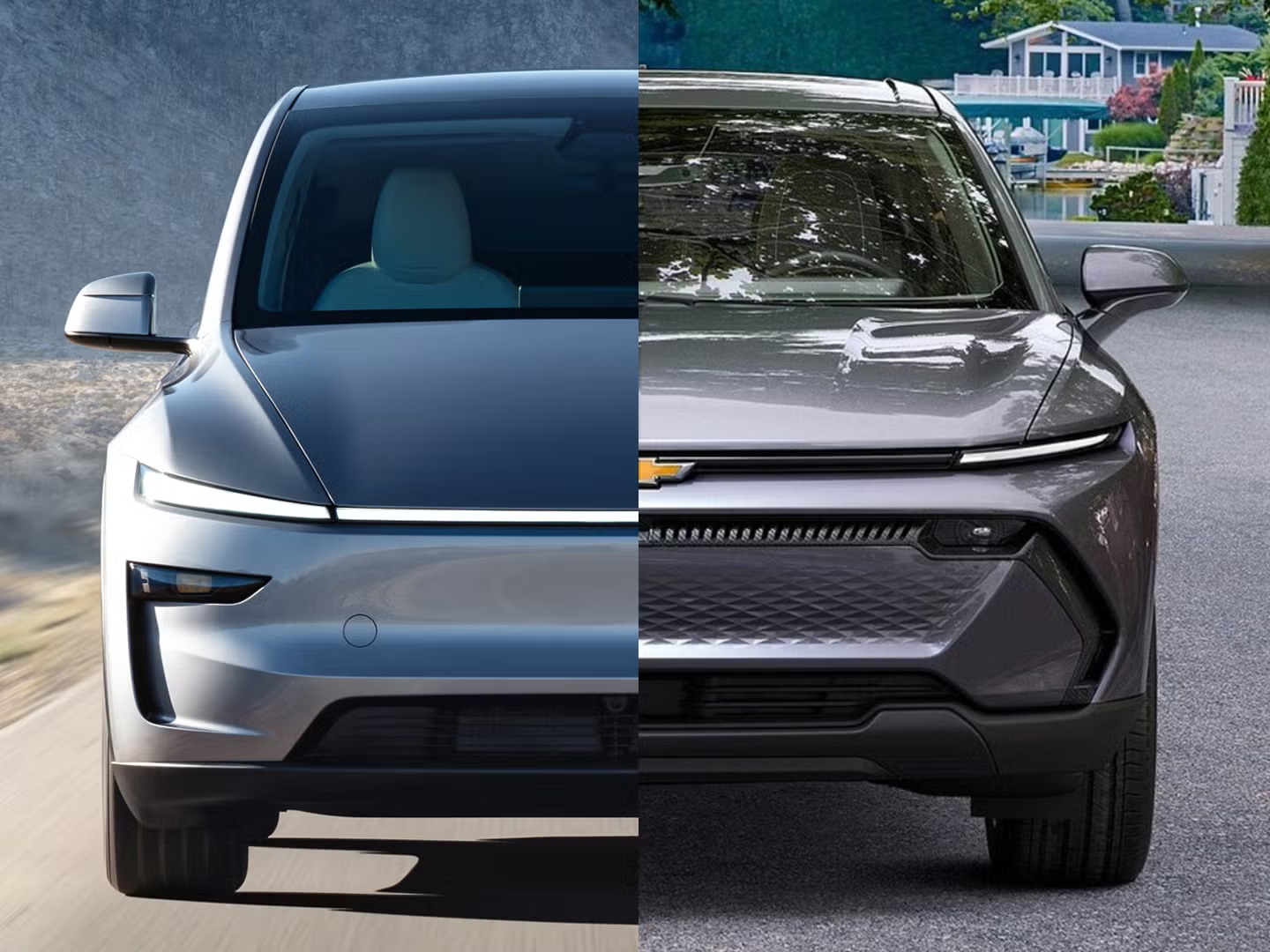
Buying an electric SUV is no longer about choosing the most futuristic badge. It is about choosing the vehicle that fits daily life, weekend driving, charging access, technology expectations, and total ownership value. Two of the most talked-about options are the 2026 Chevrolet Equinox EV and the Tesla Model Y. Both aim at the heart of the compact electric SUV market, but they appeal to different kinds of drivers. The Equinox EV is built around approachable practicality, familiar SUV comfort, and mainstream brand confidence. The Model Y is known for its EV-first design, charging ecosystem, and minimalist technology experience. For shoppers comparing electric SUV range and value, the smartest choice depends on how the vehicle will actually be used.
Why These Two Electric SUVs Are So Popular
The Chevrolet Equinox EV and Tesla Model Y compete in one of the most important vehicle categories: family-friendly electric SUVs. They offer elevated seating positions, flexible cargo space, quiet electric driving, and lower routine fueling needs compared with gasoline-only vehicles.
The Tesla Model Y has become a familiar name because it helped make electric SUVs mainstream. Its appeal comes from a clean cabin design, strong software integration, and access to Tesla’s charging ecosystem.
The Chevrolet Equinox EV takes a different approach. It is designed for drivers who want an electric vehicle without feeling like they are stepping into something unfamiliar. It keeps the general appeal of a compact SUV while adding EV benefits such as smooth acceleration, at-home charging convenience, and reduced tailpipe emissions.
For many shoppers, that difference matters. The Model Y may feel like a tech product on wheels. The Equinox EV may feel more like a traditional SUV that happens to be electric.
Range Is Important, But Real-World Use Matters More
Range is one of the first numbers electric SUV shoppers compare, but it should not be the only factor. Official range estimates can vary by trim, battery configuration, wheel size, drivetrain, weather, speed, and driving habits. That is why shoppers should compare the exact configuration they are considering using official manufacturer information and EPA listings.
For daily driving, both the Equinox EV and Model Y are designed to cover typical commuting needs with room to spare when properly charged. The more important question is how often the driver takes longer trips. A commuter with home charging may find either SUV easy to live with. A driver who frequently travels between cities may place more weight on public fast-charging access and route-planning tools.
The Model Y has a strong advantage for drivers who prioritize a proven EV road-trip experience. Tesla’s integrated route planning and charging network have long been major selling points.
The Equinox EV, however, can be very compelling for buyers who mostly charge at home and want a comfortable, value-focused electric SUV for everyday life. In that case, the convenience of plugging in overnight can matter more than obsessing over maximum advertised range.
Value Comes Down to More Than the Window Sticker
A true value comparison should include more than the purchase price. Electric SUV shoppers should consider standard features, available driver-assistance technology, warranty coverage, local incentives, home-charging costs, maintenance needs, resale expectations, and insurance estimates.
The Equinox EV may appeal to shoppers who want a mainstream electric SUV from a traditional automaker with an established dealer network. That can be especially reassuring for buyers who prefer in-person service, local test drives, and conventional purchase support.
The Model Y may appeal to shoppers who want a highly integrated EV experience. Tesla’s direct-sales model, software updates, and charging experience create a different ownership feel from a traditional dealership purchase.
The best value is not always the vehicle with the lowest advertised cost. It is the SUV that gives the buyer the right mix of range, comfort, charging convenience, features, and confidence. For a household replacing a gasoline compact SUV, the Equinox EV may feel like the easier transition. For a household that already understands EV ownership or prioritizes Tesla’s ecosystem, the Model Y may feel more natural.
Interior Experience: Familiar Comfort vs. Minimalist Tech
Inside, these two SUVs take noticeably different approaches. The Chevrolet Equinox EV is likely to resonate with drivers who want an electric vehicle that still feels familiar. Its layout is built around everyday usability, passenger comfort, and the practical expectations of compact SUV buyers.
The Tesla Model Y is more minimalist. Many controls are centralized through the touchscreen, which creates a clean and modern look. Some drivers love that simplicity. Others prefer more conventional controls and a cabin that feels closer to the SUVs they have owned before.
This is where a test drive becomes essential. A buyer may admire Tesla’s technology on paper but prefer the Equinox EV’s more traditional feel in daily use. Another buyer may sit in the Model Y and immediately appreciate the uncluttered design.
The right answer is personal. Comfort, visibility, seat support, cargo access, screen layout, and control placement are all part of value.
Charging Convenience Can Decide the Winner
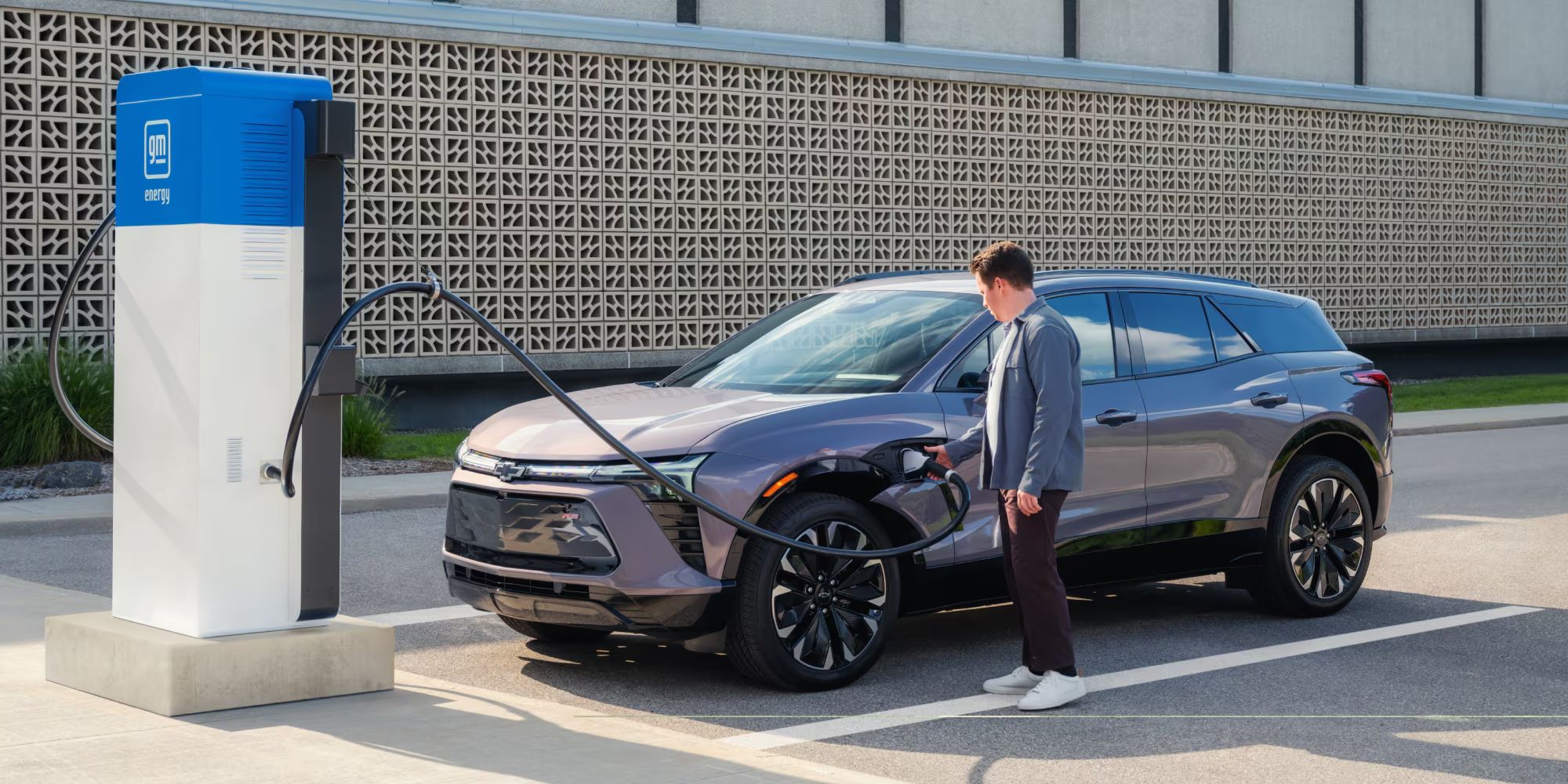
Charging is one of the biggest factors in electric SUV satisfaction. Drivers with a home charger often have the easiest ownership experience because they can start most days with a charged battery. For them, the difference between the Equinox EV and Model Y may come down to range needs, interior preference, and total cost.
Public charging matters more for renters, road-trippers, and drivers without reliable home charging. Tesla has historically built one of the most recognized fast-charging networks, which gives the Model Y a strong advantage for shoppers who want simple long-distance travel planning.
Chevrolet EV buyers should look closely at local charging options, compatible plugs, adapter availability, and charging networks in the areas they drive most often. A shopper who has reliable chargers near home, work, and common travel routes may find the Equinox EV extremely practical.
The smartest move is to map real driving patterns before buying. Look at where the SUV will charge on weekdays, where it will charge on trips, and how often public charging will actually be needed.
Which Electric SUV Should You Choose?
Choose the 2026 Chevrolet Equinox EV if you want an approachable electric SUV with mainstream practicality, familiar brand support, and a value-first ownership mindset. It is especially attractive for drivers who want to move into an EV without feeling like they are completely changing how they drive, shop, or service their vehicle.
Choose the Tesla Model Y if you want a technology-forward electric SUV with a highly developed EV ecosystem, streamlined software experience, and strong road-trip charging convenience. It is especially attractive for drivers who are comfortable with Tesla’s minimalist controls and app-based ownership style.
Both vehicles can make sense. The Equinox EV makes the strongest case for practical buyers who want electric driving to feel easy and attainable. The Model Y makes the strongest case for buyers who want a deeply integrated EV platform and charging experience.
Conclusion
The 2026 Chevrolet Equinox EV vs. Tesla Model Y comparison is not simply about which electric SUV has the biggest range number. It is about which one delivers the best real-world value for the driver’s lifestyle. The Equinox EV stands out as a smart choice for shoppers who want comfort, practicality, and a more familiar SUV experience. The Model Y remains a strong option for those who prioritize Tesla’s charging network, software-driven ownership, and minimalist design.
Before making a decision, compare the exact trims, check official range ratings, estimate home-charging costs, review local incentives, and take both vehicles on the same types of roads you drive every day. The better electric SUV is the one that makes ownership feel simple long after the excitement of the first test drive fades.