The three-row family SUV has officially entered its electric era. For drivers who want space, comfort, modern technology, and zero tailpipe emissions, the 2026 Hyundai IONIQ 9 and 2026 Kia EV9 are two of the most compelling choices on the road. Both come from brands that have moved quickly in the electric SUV space, and both aim to solve the same big problem: how to give families the room of a traditional SUV without the fuel stops, engine noise, or outdated cabin experience.
While these two SUVs are closely related in philosophy, they are not identical. The Kia EV9 has already built a strong reputation as a bold, practical three-row EV, while the Hyundai IONIQ 9 arrives with a smooth, futuristic personality and a cabin designed around quiet comfort. For shoppers comparing them, the right choice may come down to style, seating needs, charging expectations, and how each vehicle makes daily driving feel.
Design and First Impressions
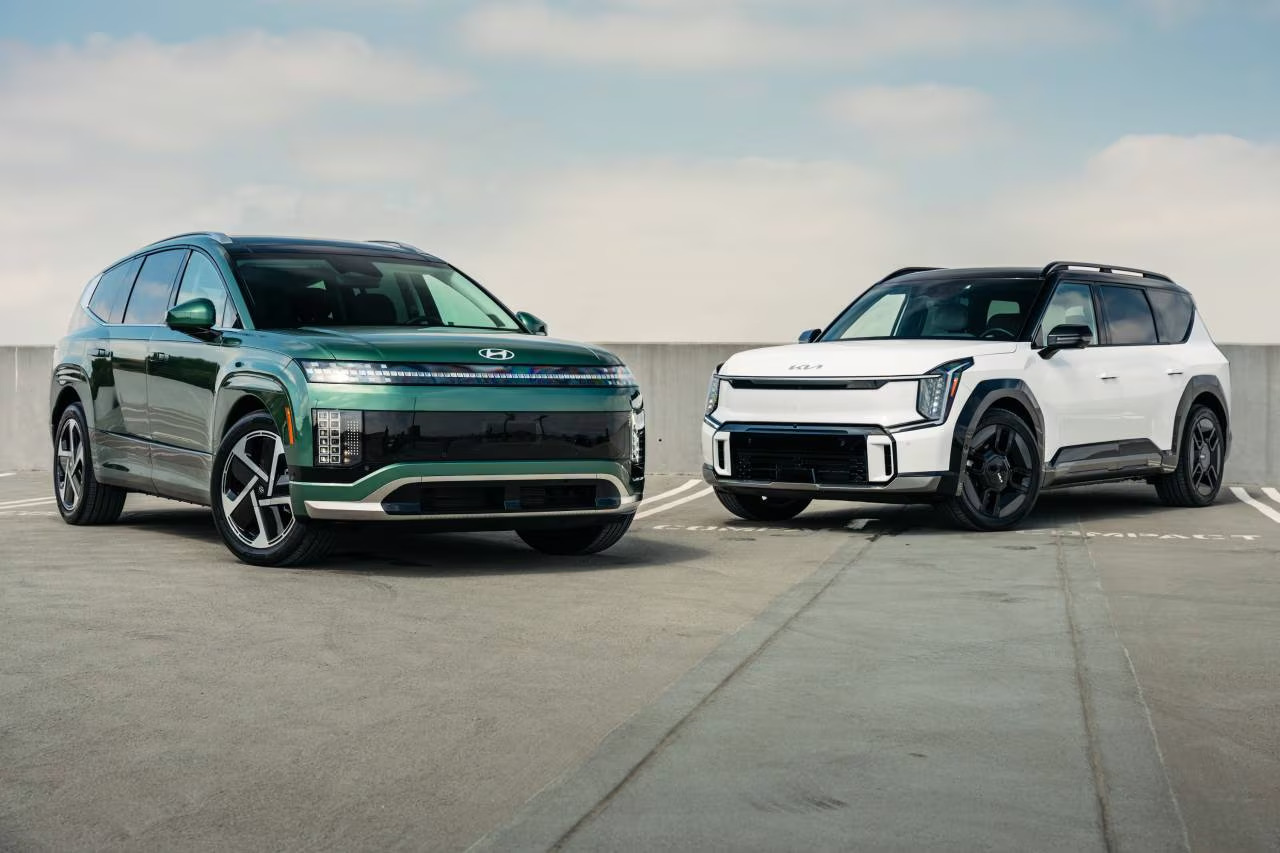
The Kia EV9 makes a strong statement immediately. Its upright shape, squared-off proportions, and confident front-end design give it the look of a rugged family hauler. It feels substantial, modern, and a little adventurous. For shoppers who want an electric SUV that still carries the visual authority of a traditional large SUV, the EV9 has a lot of appeal.
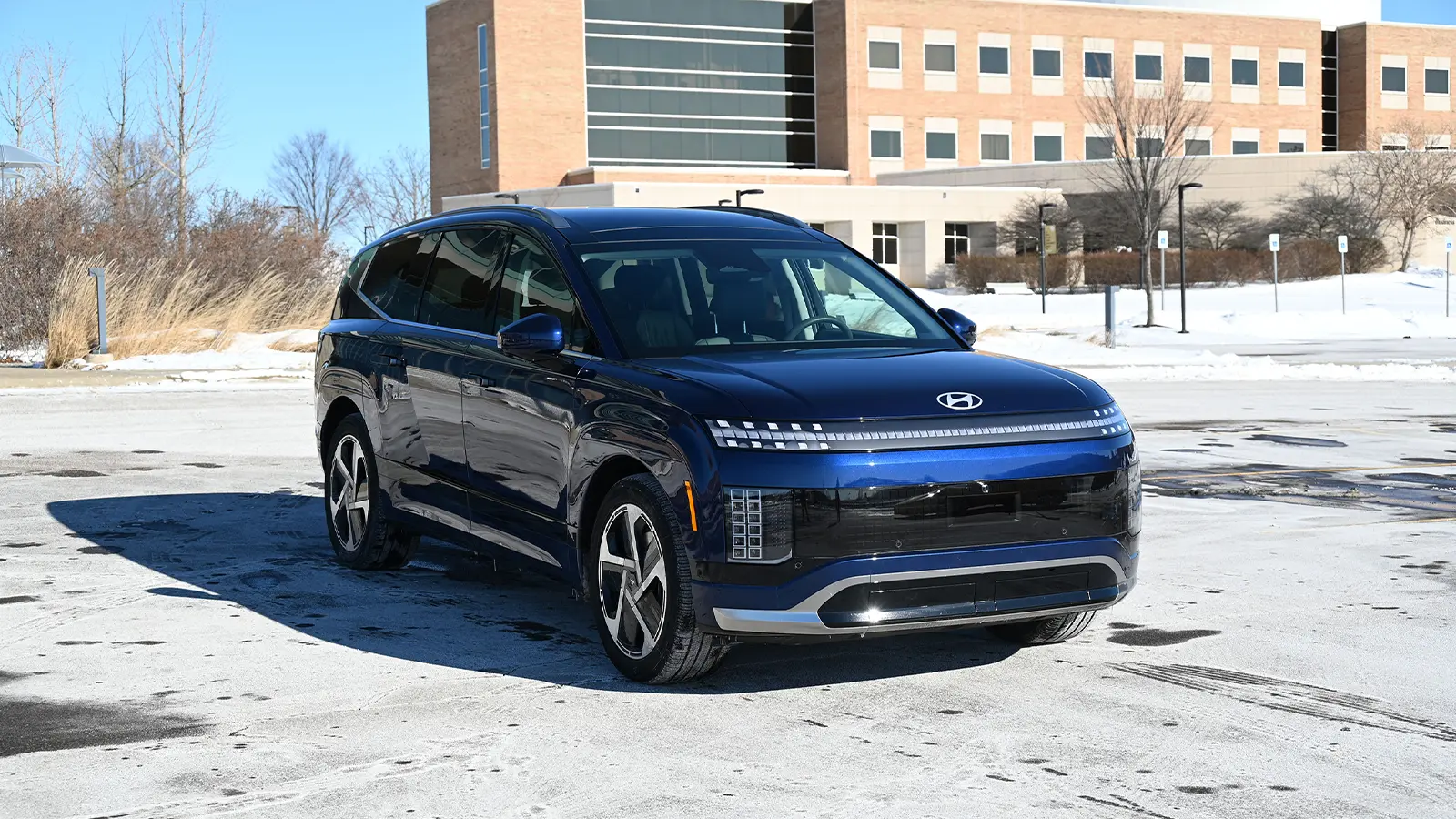
The Hyundai IONIQ 9 takes a softer, more streamlined approach. Its design is sleek and aerodynamic, with rounded surfaces and a futuristic profile that separates it from gas-powered SUVs. Instead of trying to look rugged, the IONIQ 9 leans into the idea of a premium electric lounge on wheels. It is ideal for drivers who want something calm, high-tech, and distinctive without looking overly aggressive.
In simple terms, the EV9 looks ready for the trailhead, while the IONIQ 9 looks ready for the future. Both are attractive, but they send very different messages.
Interior Space and Family Comfort
Inside, both SUVs focus on what families actually need: flexible seating, generous passenger room, and easy access to the third row. The Kia EV9 can be configured with three rows and offers a cabin that feels open, upright, and practical. Its layout is especially appealing for families who want clear visibility, convenient storage, and a familiar SUV seating position.
The Hyundai IONIQ 9 also offers three-row practicality, but its interior atmosphere feels more lounge-like. Hyundai has emphasized relaxation, quietness, and flexibility, making the IONIQ 9 feel less like a conventional SUV and more like a comfortable living space. Depending on configuration, shoppers can expect family-friendly seating arrangements and a cabin designed to reduce stress on long drives.
For parents, commuters, and road-trip families, this is where the decision becomes personal. The EV9 may feel more utilitarian and adventure-ready. The IONIQ 9 may feel more serene and upscale. Either way, both offer the kind of space that makes switching from a gas-powered three-row SUV much easier.
Range and Charging Confidence
Range anxiety is one of the biggest concerns for first-time EV buyers, and both of these SUVs are designed to make the transition easier. The Hyundai IONIQ 9 has been promoted with long-range capability, with Hyundai citing an estimated range of up to around 335 miles in certain configurations. The Kia EV9 has also offered strong range, with Kia advertising configurations that reach just over 300 miles depending on trim and drivetrain.
Those numbers matter, but real-world satisfaction depends on more than the maximum range figure. Families should consider how they actually drive. A household that mostly handles school drop-offs, commuting, errands, and weekend outings may find either SUV more than capable with home charging. Drivers who regularly take long highway trips may want to compare specific trims carefully, since wheel size, drivetrain, passenger load, speed, and weather can all affect range.
Charging is another major advantage for both models. Built on Hyundai Motor Group’s dedicated EV platform technology, these SUVs are designed for fast charging when connected to compatible DC fast chargers. That means less time waiting during road trips and more confidence when planning longer drives.
Technology That Makes Daily Driving Easier
A great electric SUV should not just feel advanced on paper. It should make daily life easier. The Kia EV9 delivers a clean, modern dashboard, large digital displays, available driver-assistance features, and family-friendly controls. It feels like a vehicle built for people who want technology but do not want to be overwhelmed by it.
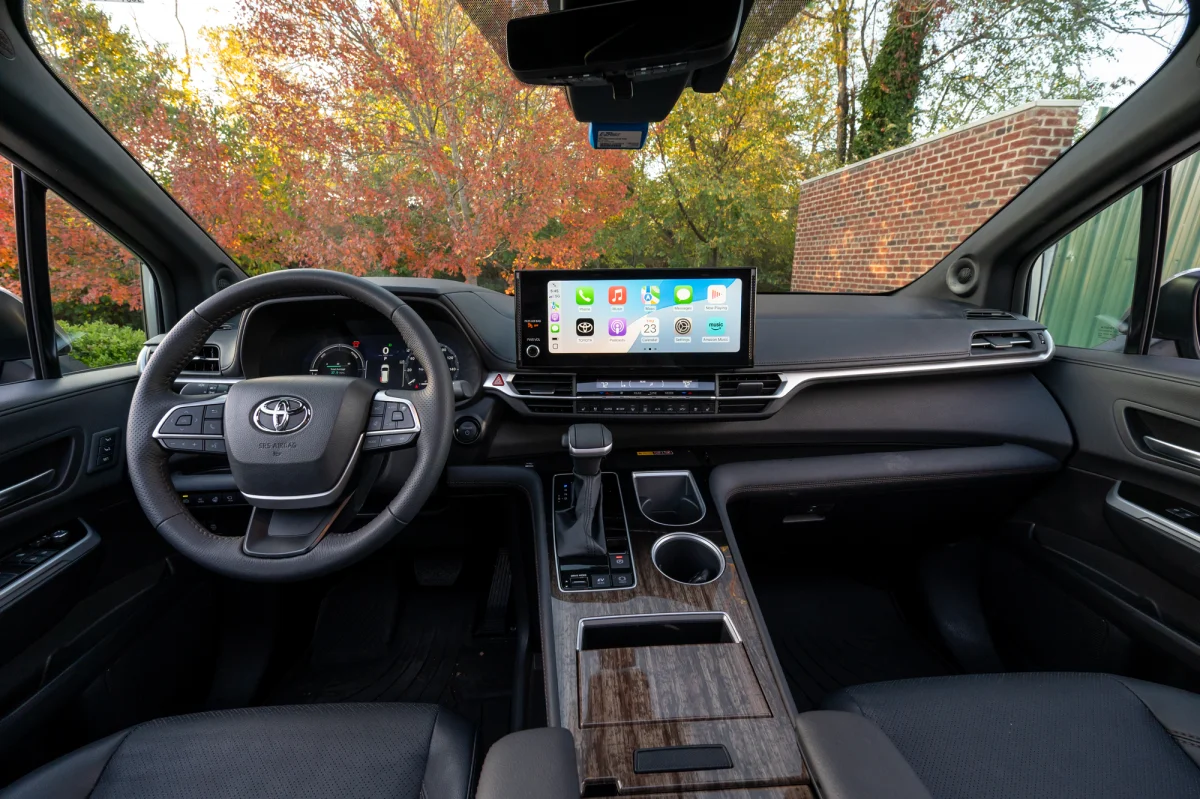
The Hyundai IONIQ 9 brings a similarly digital-first experience, with an emphasis on simplicity, comfort, and intuitive controls. Hyundai’s newer EV interiors have generally focused on open space, clean screens, and a calm user experience. That approach should appeal to shoppers who want their vehicle to feel relaxing rather than cluttered.
Both SUVs also give buyers access to the benefits that make EV ownership attractive: quiet acceleration, fewer routine maintenance items than a gas engine, and the convenience of charging at home. For many shoppers, the biggest upgrade is not just avoiding gas stations. It is starting each day with a vehicle that feels ready, quiet, and fully integrated into modern life.
Driving Feel and Everyday Use
The Kia EV9 feels confident and composed, with the instant torque that makes electric SUVs so satisfying in traffic. It is large enough to feel substantial, yet smooth enough to make daily commuting comfortable. For families coming from a midsize or full-size gas SUV, the EV9 should feel familiar in size but noticeably more refined in motion.
The Hyundai IONIQ 9 is likely to attract drivers who prioritize quietness, smoothness, and a more premium-feeling ride. Its aerodynamic design and comfort-focused mission make it a strong match for highway commuting, family trips, and drivers who want their SUV to feel calm rather than truck-like.
Neither vehicle is simply about performance. The real appeal is effortlessness. No harsh shifting, no engine vibration, no fuel stops during the weekly routine, and plenty of power available when merging or passing. That is the everyday EV advantage.
Which Three-Row EV SUV Should You Choose?
Choose the Kia EV9 if you want a bold-looking electric SUV with a more traditional three-row SUV personality. It is a great fit for families who like a squared-off design, practical cabin layout, and a confident road presence.
Choose the Hyundai IONIQ 9 if you want a smoother, more futuristic SUV with an emphasis on comfort, quietness, and design sophistication. It is likely to appeal to shoppers who want their next family vehicle to feel like a major step forward from the gas-powered SUV experience.
The smartest move is to compare both in person. Sit in all three rows. Test the cargo area. Check car-seat access. Review charging options at home and on your common travel routes. Then drive each one back-to-back. Specs are important, but comfort, visibility, seating position, and cabin feel are often what determine long-term happiness.
Two Winners, One Better Fit for Your Life
The 2026 Hyundai IONIQ 9 and 2026 Kia EV9 prove that families no longer have to choose between space and electrification. Both offer three-row practicality, modern EV capability, and the kind of quiet, smooth driving experience that makes gas-powered SUVs feel dated.
The EV9 stands out with bold styling and practical confidence. The IONIQ 9 counters with sleek design and a calm, premium atmosphere. Either one can be a smart choice, but the best choice is the one that fits your family’s driving habits, design preferences, and comfort needs.
For shoppers ready to move into a three-row electric SUV, this is the comparison to make before signing. Test drive both, compare the trims that match your lifestyle, and choose the EV that makes every trip feel easier.