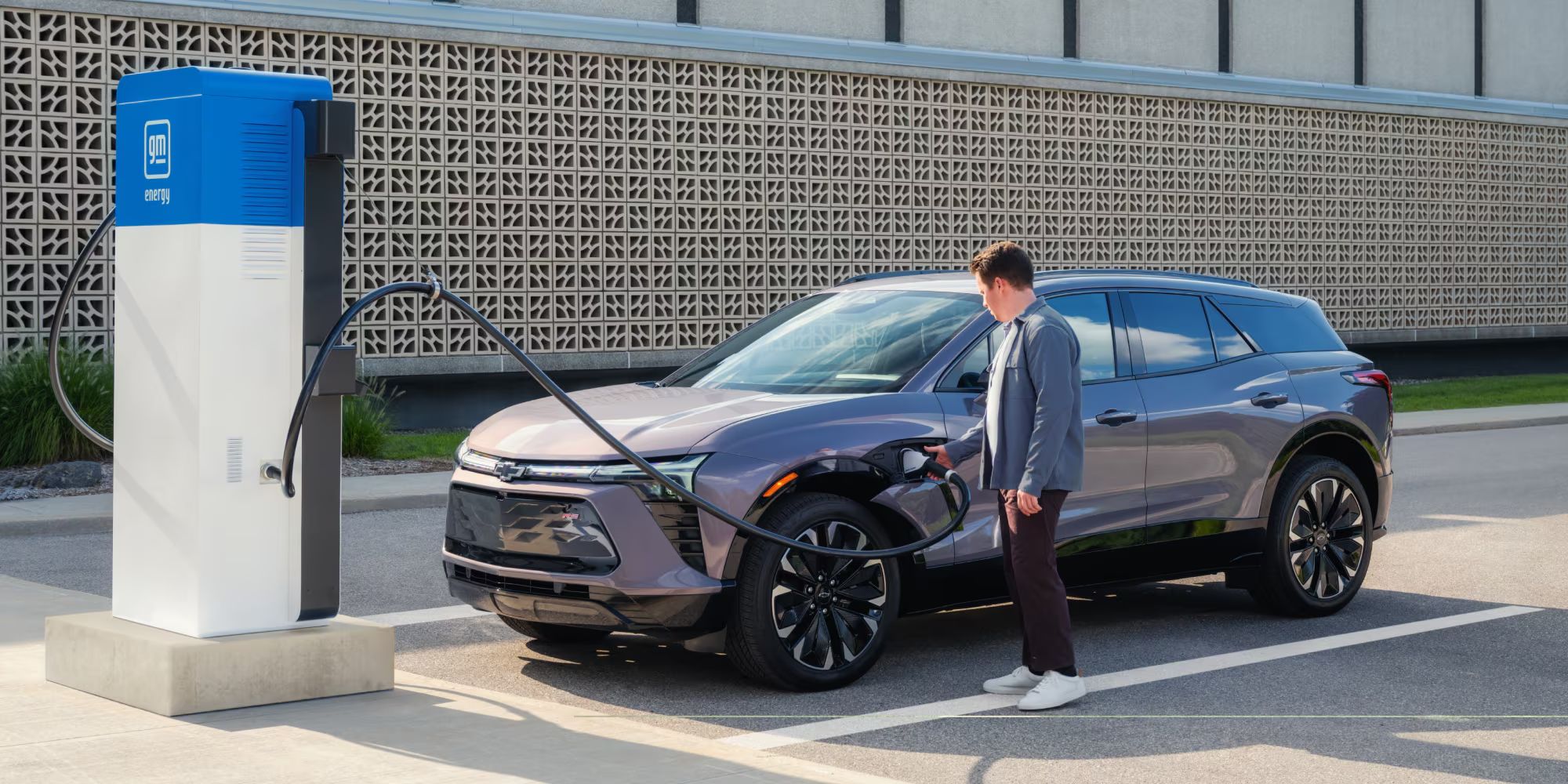
Buying your first electric vehicle is exciting, but it can also feel like learning a new language. Range, charging speed, home charging, public charging, adapters, route planning, and connector types all matter. One term first-time buyers are likely to see more often is NACS, short for North American Charging Standard. For shoppers comparing EVs, NACS can be an important feature because it may make charging simpler, more familiar, and more convenient across a wider range of public charging locations.
As more automakers move toward NACS-compatible vehicles, buyers should understand what the connector does, what it does not guarantee, and which questions to ask before choosing a model. The right EV is not just the one with strong range or attractive styling. It is the one that fits your daily routine, your home charging setup, and your road-trip needs.
What NACS Means for Everyday EV Owners
NACS is a charging connector design originally associated with Tesla vehicles and Superchargers. It has since moved toward broader industry adoption and standardization under SAE J3400. In practical terms, NACS is the plug shape and charging interface that connects an EV to compatible charging equipment.
For first-time buyers, the appeal is simple: a more common connector can reduce friction. Instead of thinking only about whether an EV has enough battery range, shoppers can also think about how easy it will be to find compatible charging when they are away from home.
A NACS-equipped EV may help make public charging feel less intimidating because the connector is compact, widely recognized, and associated with a large fast-charging ecosystem. That said, buyers should not assume every NACS vehicle automatically works at every charging station. Charging access can depend on the vehicle, the charging network, software support, payment setup, and whether an adapter is required.
Native NACS Port vs. Adapter: Know the Difference
One of the biggest questions to ask is whether the EV has a native NACS port or uses an adapter.
A native NACS port means the vehicle is built with the NACS-style inlet directly on the car. This can make charging cleaner and more convenient because there is no extra hardware to carry, attach, or store. For many first-time buyers, that simplicity matters.
An adapter-based setup means the vehicle may still have another connector type, such as CCS, but can use certain NACS chargers with an approved adapter. This can be a good bridge for drivers who want access to more charging options, but it adds one more thing to remember.
Before buying, ask the dealer or manufacturer:
- Does this EV have a native NACS port?
- If not, is an adapter included or sold separately?
- Which charging networks are supported?
- Does the vehicle’s navigation system recognize compatible fast chargers?
- Are software updates required before using certain chargers?
These details can make a major difference in the ownership experience.
Why Charging Compatibility Matters More Than Connector Hype
A charging connector is important, but it is only part of the story. First-time EV buyers should also look at charging speed, battery preconditioning, route planning, and network reliability.
Charging speed depends on both the car and the charger. Even if a charger is capable of fast output, your EV can only charge at the rate its battery system supports. Temperature, battery percentage, and software can also affect charging performance.
Battery preconditioning is another feature worth asking about. Some EVs can warm or cool the battery before arriving at a fast charger, helping the vehicle charge more efficiently. This can be especially useful during road trips, when shorter charging stops can make the experience feel closer to a familiar gas-station routine.
The best EV shopping approach is to think in real-world terms. Consider where you drive, where you park, how often you take longer trips, and whether you can install charging at home. A NACS-compatible EV may be very appealing, but the best choice is still the one that fits your lifestyle.
Home Charging Is Still the First-Time Buyer Advantage
Public fast charging gets a lot of attention, but home charging is often the biggest lifestyle upgrade. Many EV owners do most of their charging at home, plugging in overnight and starting the next day with a ready battery.
For first-time buyers, this changes the way you think about “fueling.” Instead of making a separate stop, charging can become part of your normal routine. A NACS-equipped EV can still use home charging equipment, but you should confirm which connector your home charger uses and whether any adapter is needed.
Before purchasing an EV, it is smart to evaluate:
- Where the vehicle will park most nights
- Whether you have access to a garage, driveway, or assigned parking spot
- Whether your electrical panel can support a home charger
- Whether your utility offers EV charging programs
- Whether your chosen EV brand recommends specific charging equipment
The easier it is to charge at home, the more convenient your EV ownership experience is likely to be.
How First-Time Buyers Should Compare NACS EVs
When shopping for an EV with NACS compatibility, avoid choosing based on the connector alone. A great first EV should balance charging access with comfort, safety, warranty coverage, technology, cargo space, and daily driving range.
Start by narrowing your options based on your real driving habits. A commuter who mostly drives locally may prioritize home charging, comfort, and efficiency. A driver who regularly takes longer trips may care more about DC fast-charging performance, route planning, and public network access.
Also pay attention to the buying experience. A knowledgeable dealership, clear charging guidance, and easy-to-understand app support can make ownership smoother. First-time EV buyers often have questions after delivery, so support matters.
It is also worth confirming whether the vehicle’s charging features are ready immediately or expected through future updates. Automaker plans can change, and model-year details can vary. Get the answer in writing before committing.
The Smart Move: Choose an EV That Makes Charging Feel Simple
NACS is becoming an important part of the EV conversation because it can help make charging easier to understand and easier to access. For first-time buyers, that simplicity can remove one of the biggest barriers to going electric.
The smartest approach is to shop for an EV that fits your life first, then confirm that its charging setup supports the way you actually drive. A native NACS port may be ideal for buyers who want the cleanest long-term experience. An adapter-supported EV may still be a strong option when the vehicle itself is the right fit.
Before making a decision, compare real charging features, not just marketing language. Ask about network access, included equipment, home charging compatibility, navigation support, and software readiness. When those pieces line up, an EV with NACS compatibility can be a confident, future-friendly choice for first-time electric drivers.