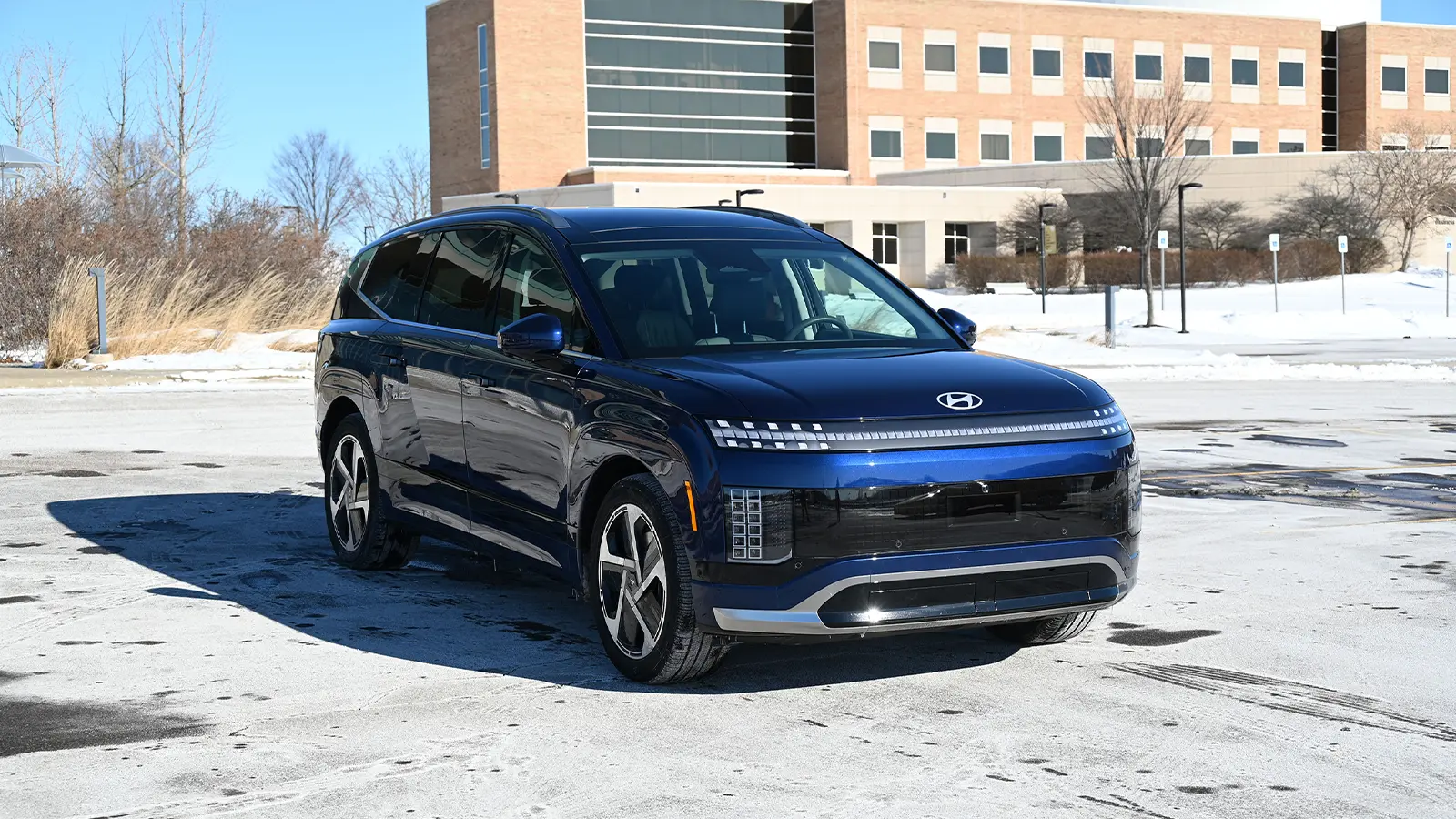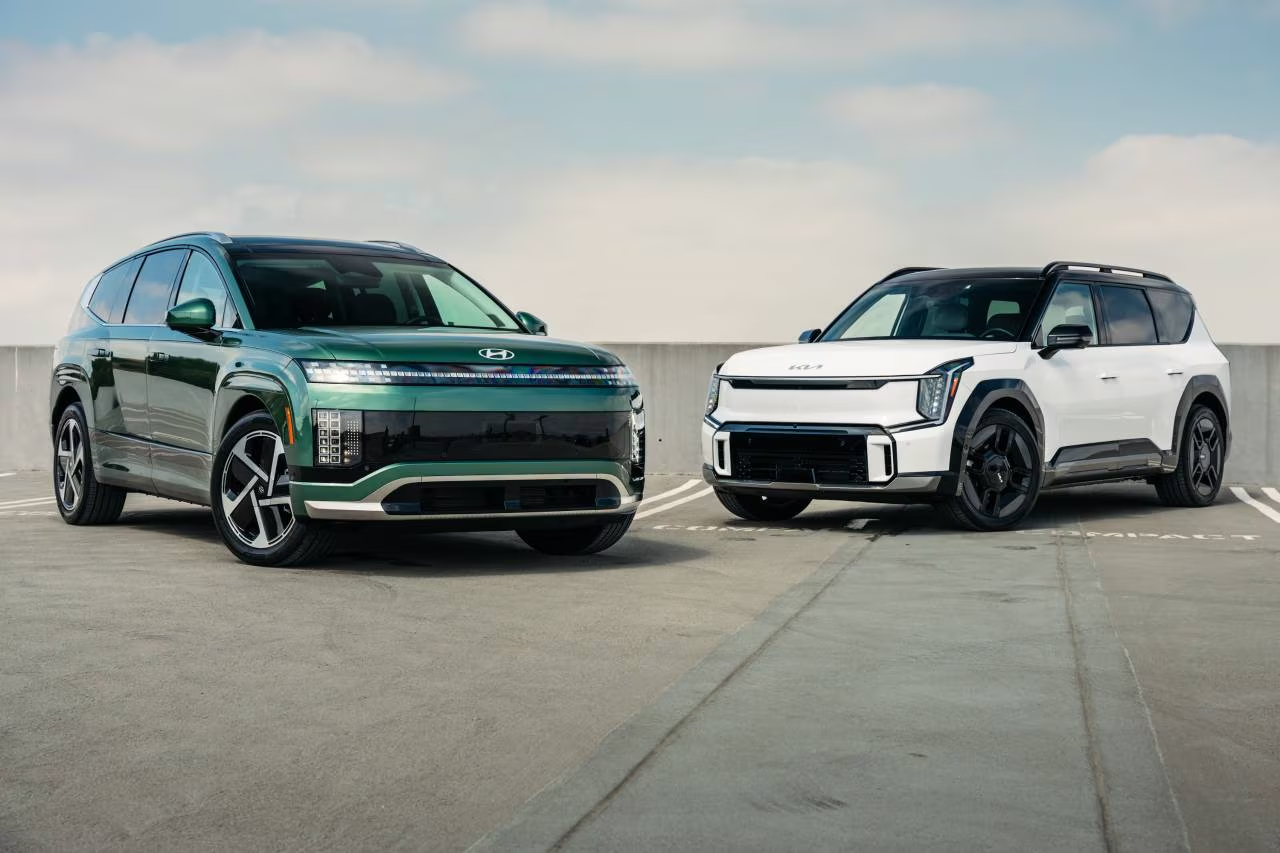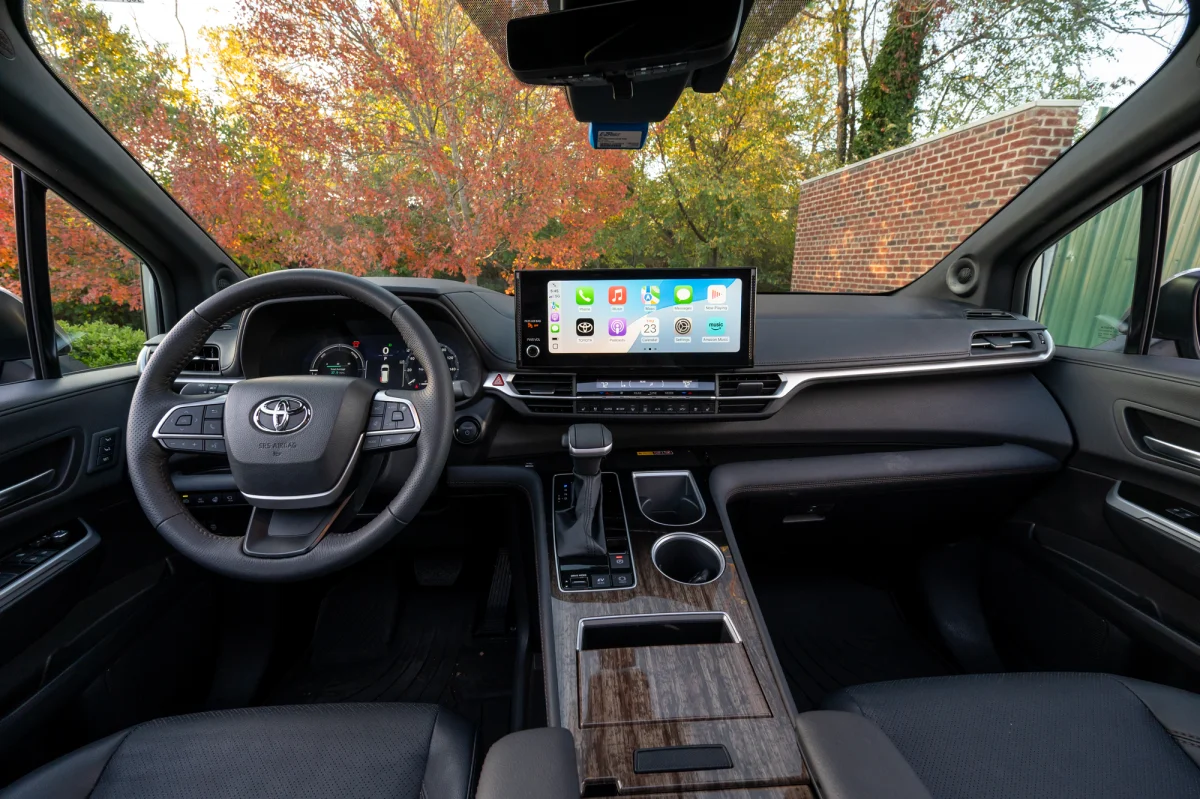
The 2026 Toyota Sienna continues to stand out in a vehicle segment where practicality often matters more than flash. For shoppers who want three rows, serious cargo flexibility, family-friendly technology, and strong fuel economy, the Sienna’s standard hybrid setup gives it a clear advantage over many traditional gas-powered minivans. Its headline appeal is simple: it delivers the space of a modern minivan while offering fuel economy that can reach up to an EPA-estimated 36 MPG in select configurations, according to Toyota and EPA data from recent Sienna model years. That combination makes the Sienna especially appealing for families, rideshare drivers, road-trippers, and anyone who wants SUV-like usefulness without SUV-level fuel costs.
What’s New for 2026
The 2026 Toyota Sienna is expected to continue the formula that has made the current-generation Sienna one of the most efficient family vehicles on the market: a standard hybrid powertrain, available all-wheel drive, flexible seating, and a strong list of driver-assistance features.
Because Toyota has not made every final 2026 Sienna detail easy to confirm without live source access, shoppers should check Toyota’s official model page or a local dealer for final trim, package, and availability information. Still, the broader picture is clear. The Sienna remains positioned as a smart alternative to large three-row SUVs, especially for buyers who prioritize passenger access, fuel economy, cargo room, and long-term daily usability.
The most important thing to know is that the Sienna is not trying to be a sporty crossover. It is built around comfort, convenience, and efficiency. That makes it one of the more practical choices in the family-vehicle market.
Confirmed Specs and What They Mean
The Sienna’s biggest advantage is its standard hybrid layout. Unlike some competitors that reserve hybrid technology for special trims or do not offer it at all, Toyota has made hybrid power central to the Sienna identity. That matters because minivans are often used for school runs, commuting, errands, family vacations, and stop-and-go suburban driving—the exact situations where a hybrid system can make a meaningful difference.
The Sienna has typically offered seating for seven or eight passengers, depending on configuration. Available second-row captain’s chairs create a more premium and comfortable layout, while eight-passenger versions are better for families who need maximum seating capacity.
For buyers comparing the Sienna to a three-row SUV, the biggest practical difference is access. Sliding doors, a lower step-in height, and a broad cargo opening make the Sienna easier to live with every day. That can matter more than horsepower numbers, especially for families with small children, older passengers, sports gear, strollers, or luggage.
Powertrain, Range, MPG, or Performance
The Sienna’s hybrid system is the main reason to consider it. Recent Sienna models have used a 2.5-liter four-cylinder hybrid powertrain paired with an electronically controlled continuously variable transmission. Front-wheel-drive versions have been rated up to an EPA-estimated 36 MPG combined, while available all-wheel-drive models have typically been slightly lower but still very efficient for a three-row family vehicle.
That fuel economy is a major selling point. Many large SUVs and non-hybrid minivans consume noticeably more fuel in real-world use, especially in city driving. Over years of ownership, the Sienna’s hybrid efficiency can help reduce fuel stops and operating costs.
Performance is smooth rather than aggressive. The Sienna is not designed to feel like a sports sedan, but its hybrid system provides quiet acceleration around town and confident enough power for highway merging, family trips, and daily driving. The available all-wheel-drive system also makes the Sienna more appealing for buyers in areas with rain, snow, or steep driveways.
For drivers who want the most efficient family hauler possible without going fully electric, the Sienna makes a strong case.
Interior and Practicality
This is where the Sienna earns its reputation. The interior is designed around real-world family life, not just showroom appeal. Wide sliding doors make it easier to load kids, passengers, groceries, and gear in tight parking lots. The cabin offers useful storage areas, cupholders, charging options, and flexible seating arrangements.
Depending on trim and configuration, the Sienna can feel either highly functional or surprisingly upscale. Higher trims may include comfort-focused features such as upgraded upholstery, premium audio, larger screens, and enhanced second-row seating. The available long-slide second-row seats in some configurations are especially useful for families who want extra legroom or easier access to the third row.
Cargo space is another major strength. With the third row folded, the Sienna can carry bulky items that would be difficult to fit into many SUVs. Even with passengers aboard, the rear cargo area remains useful for groceries, bags, backpacks, and sports equipment.
For daily life, the Sienna’s practicality is hard to beat. It may not have the rugged image of an SUV, but it is often easier to use.
Safety and Driver Assistance
Toyota has made driver-assistance technology a central part of its mainstream lineup, and the Sienna has benefited from that approach. Recent Sienna models have included Toyota Safety Sense features such as pre-collision assistance, lane departure alert, adaptive cruise control, lane tracing assistance, automatic high beams, and road sign assistance, depending on model year and trim.
For family buyers, these features are not just nice extras. They can reduce stress on long drives, help in traffic, and add another layer of awareness during daily commuting. Available features such as blind-spot monitoring, rear cross-traffic alert, parking assistance, and surround-view camera technology may also be offered depending on trim.
Shoppers should compare the exact safety-feature list by trim because availability can vary. Still, the Sienna’s overall safety positioning is one of its stronger selling points, especially for parents and high-mileage drivers.
Who This Vehicle Is Best For
The 2026 Toyota Sienna is best for buyers who want maximum practicality with excellent fuel economy. It is especially well suited for:
- Families who need three usable rows
- Drivers who want better MPG than a typical large SUV
- Buyers who prefer hybrid efficiency without needing to plug in
- Road-trip households that value comfort and cargo room
- Parents who want sliding-door convenience
- Rideshare or shuttle drivers who need passenger space and efficiency
- Shoppers who want available all-wheel drive in a minivan
The Sienna also makes sense for people who are tired of climbing into tall SUVs. Its lower floor and sliding doors make loading passengers and cargo easier, which can be a major advantage over time.
Who Should Skip It
The Sienna is not the right choice for every buyer. Shoppers who want strong towing capability, rugged off-road styling, or high-performance acceleration may prefer a three-row SUV. The Sienna is tuned for efficiency, smoothness, and comfort—not excitement.
Buyers who want a plug-in hybrid minivan may also want to compare alternatives. The Chrysler Pacifica Plug-In Hybrid, for example, offers electric-only driving capability when charged. The Sienna’s advantage is that it does not require plugging in, but it also does not provide the same kind of dedicated EV driving range.
Some shoppers may also prefer a removable-seat layout. The Sienna’s seating design is highly practical, but buyers who regularly need to convert the van into a cargo hauler should inspect the seat-folding and cargo setup carefully before choosing a trim.
Main Rivals
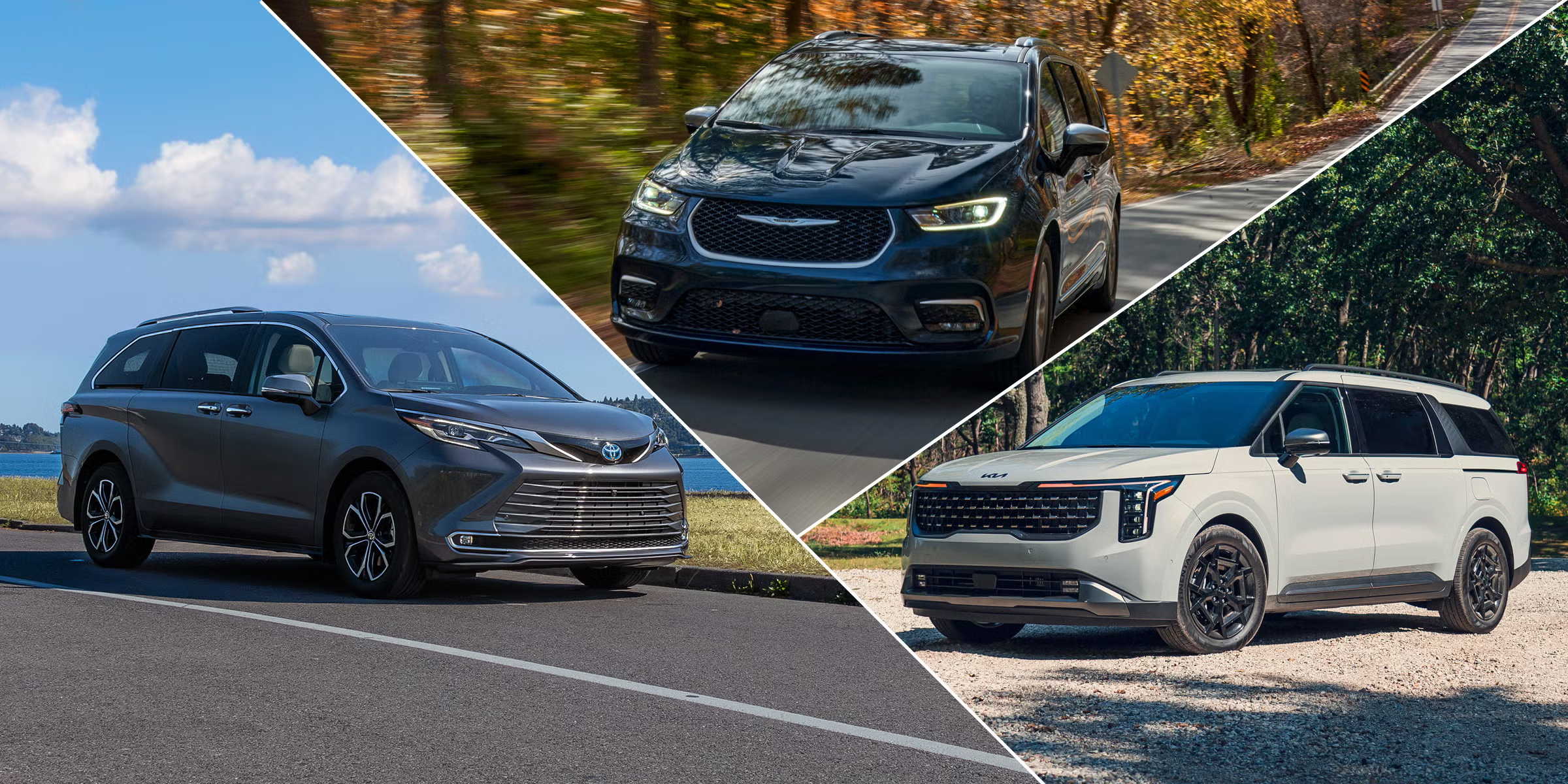
The Sienna competes in a small but important minivan segment. Its main rivals include the Honda Odyssey, Chrysler Pacifica, Chrysler Pacifica Plug-In Hybrid, and Kia Carnival.
The Honda Odyssey is known for strong family practicality and a refined driving feel. The Chrysler Pacifica offers available plug-in hybrid capability and available all-wheel drive on gas models. The Kia Carnival brings SUV-inspired styling and strong value. However, the Sienna’s key advantage remains its standard hybrid powertrain and impressive fuel economy.
Against three-row SUVs, the Sienna’s value becomes even clearer. Many SUVs look more rugged, but they often cannot match the Sienna’s combination of passenger access, cargo flexibility, and MPG.
Release Date / Availability
The 2026 Toyota Sienna is expected to be available through Toyota dealerships as part of Toyota’s regular model-year rollout. Exact timing, trim availability, colors, options, and regional inventory may vary by market and dealership.
Because minivans remain popular with family buyers and supply can vary, shoppers who want a specific trim or configuration should check availability early. Hybrid models, all-wheel-drive versions, and higher trims may be especially competitive depending on local demand.
Final Take
The 2026 Toyota Sienna remains one of the smartest family vehicles for buyers who care about space, comfort, and fuel economy. Its standard hybrid system gives it a major advantage over many large SUVs and non-hybrid minivans, while its sliding doors, flexible cabin, and available all-wheel drive make it genuinely useful in everyday life.
It is not the sportiest or most rugged option, and buyers who want plug-in capability should compare the Pacifica Plug-In Hybrid. But for most families, the Sienna’s balance of efficiency, comfort, and practicality is hard to ignore.
For shoppers who want a vehicle that can handle school runs, road trips, errands, passengers, and cargo without punishing them at the pump, the 2026 Toyota Sienna deserves a top spot on the test-drive list.
Sources
- Toyota Sienna official model information: https://www.toyota.com/sienna/
- EPA fuel economy ratings: https://www.fueleconomy.gov/
- IIHS vehicle safety ratings: https://www.iihs.org/ratings
- NHTSA vehicle safety information: https://www.nhtsa.gov/ratings