The 2026 Hyundai Santa Fe Hybrid brings together two things modern families want most: practical space and smart efficiency. With its bold, boxy design, flexible cabin, and hybrid powertrain, this SUV is built for daily routines, weekend errands, road trips, school pickups, and everything in between. It has the rugged look many drivers love, but it stays focused on comfort, convenience, and family-friendly usability. For shoppers who want an SUV that feels roomy without feeling oversized, the Santa Fe Hybrid is easy to put on the shortlist.
What’s New for 2026
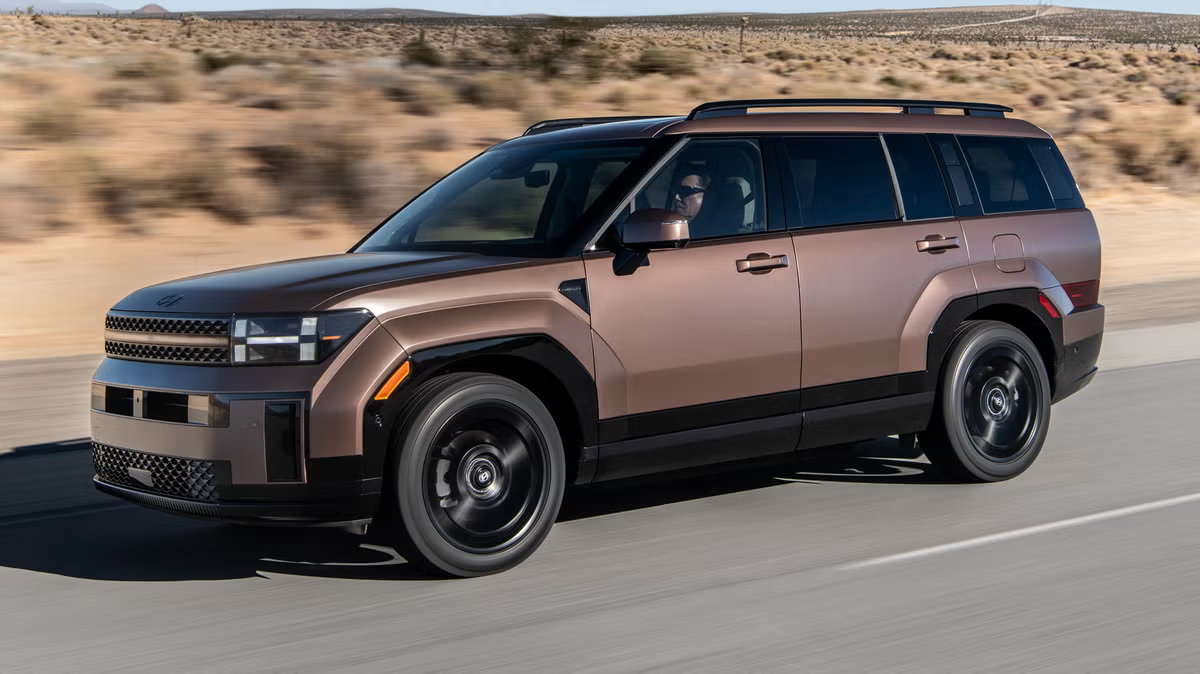
The 2026 Hyundai Santa Fe Hybrid continues the biggest idea behind the latest Santa Fe redesign: a midsize SUV that looks more rugged, feels more useful, and gives families the efficiency advantage of a hybrid powertrain. Its squared-off shape is not just for style. The boxy roofline helps create a more open cabin, easier cargo loading, and a more upright third-row area than many sleeker crossover designs.
Because final 2026 trim-by-trim details can vary by market, buyers should confirm equipment on Hyundai’s official model page before purchase. Still, the Santa Fe Hybrid’s main appeal is clear: it is designed for families who want SUV space without stepping into a larger, thirstier vehicle.
Confirmed Specs and What They Mean
The Santa Fe Hybrid is built around a three-row midsize SUV layout, giving it a different mission from compact hybrids that prioritize efficiency above all else. The key advantage is flexibility. It can handle school drop-offs, weekend errands, road trips, and occasional third-row use without forcing buyers into a full-size SUV.
The current Santa Fe Hybrid formula pairs a turbocharged gas engine with hybrid assistance and an automatic transmission. That matters because it gives the vehicle a more traditional driving feel than some hybrids that use continuously variable transmissions. For many shoppers, that makes the Santa Fe Hybrid feel more familiar, especially when merging, passing, or climbing hills with passengers aboard.
All-wheel drive availability is another major advantage. Families in areas with rain, snow, gravel roads, or steep driveways may appreciate Hyundai’s HTRAC all-wheel-drive system. Front-wheel drive remains the efficiency-focused choice, while all-wheel drive adds extra traction confidence.
Powertrain, Range, MPG, or Performance
The Santa Fe Hybrid’s biggest selling point is balance. It is not trying to be a high-performance SUV, and that is the point. It is meant to deliver smooth power, better fuel economy than a conventional gas-only three-row SUV, and enough strength for daily family use.
EPA fuel economy listings for recent Santa Fe Hybrid models show the hybrid version as a strong choice for shoppers who want to reduce fuel stops without going fully electric. Fuel economy can vary by drivetrain, trim, tire size, driving habits, weather, and cargo load, so buyers should compare the exact configuration on FuelEconomy.gov.
For families, the real-world benefit is simple: fewer gas station stops during the week and less fuel anxiety on longer trips. Unlike a plug-in hybrid or EV, the Santa Fe Hybrid does not require charging. You drive it like a normal SUV, and the hybrid system works in the background.
Interior and Practicality
This is where the Santa Fe Hybrid makes one of its strongest cases. The upright design gives the cabin a roomy, practical feel. The shape makes sense for parents loading bags, sports gear, strollers, groceries, or luggage. The wide rear opening and squared cargo area help make the Santa Fe feel more useful than many style-first crossovers.
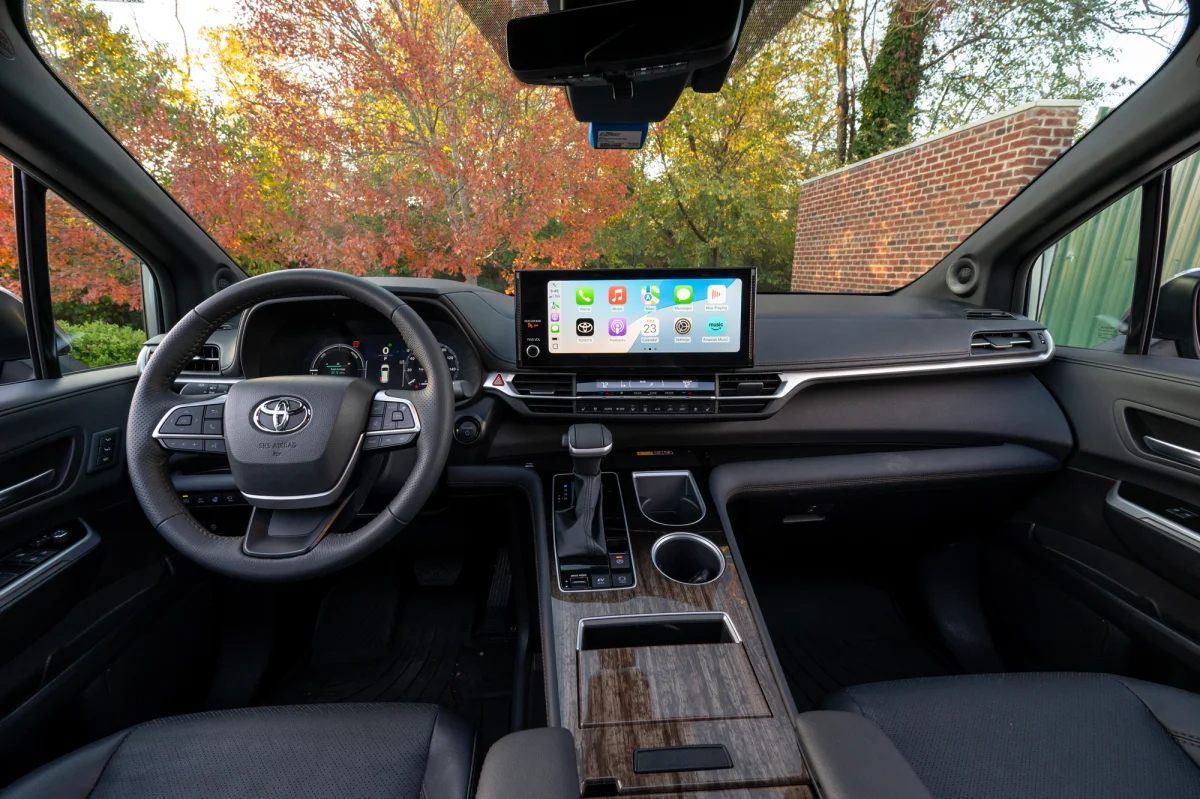
The cabin layout is also well suited to modern family life. Available large digital displays, multiple storage areas, available wireless smartphone features, and comfort-focused seating help the Santa Fe Hybrid feel like a vehicle designed around daily routines. The third row is best viewed as occasional-use space for kids, shorter trips, or extra passengers, while the first two rows are where the Santa Fe feels most comfortable.
This SUV is especially appealing for buyers who want three-row capability but do not always need a large three-row vehicle. It gives you emergency seating flexibility without the bulk of a full-size SUV.
Safety and Driver Assistance
Hyundai typically equips its family SUVs with a strong list of standard and available driver-assistance features. Shoppers should look for features such as forward collision-avoidance assist, lane keeping assistance, blind-spot monitoring, rear cross-traffic assistance, adaptive cruise control, and highway driving assistance, depending on trim.
For a family vehicle, these systems are more than convenience features. They can reduce stress in traffic, help during long drives, and provide extra awareness in parking lots and lane changes. Buyers should still confirm final 2026 safety ratings from NHTSA and IIHS once the specific model year has been tested.
Who This Vehicle Is Best For
The 2026 Hyundai Santa Fe Hybrid is best for families who want the space and stance of an SUV without committing to the fuel use or size of a larger three-row model. It is a smart fit for commuters who also need weekend cargo room, parents who want flexible seating, and shoppers who like the idea of hybrid efficiency but do not want to plug in.
It also works well for buyers who want a distinctive design. The Santa Fe’s boxy look stands out in a crowded SUV market, and the shape brings real-world benefits instead of simply chasing trends.
Who Should Skip It
Drivers who regularly use all three rows with adults may want to consider a larger SUV. The Santa Fe Hybrid offers three-row flexibility, but it is still a midsize crossover. If third-row comfort and maximum cargo space are top priorities every day, a larger three-row SUV may be a better match.
Performance-focused shoppers may also want to look elsewhere. The Santa Fe Hybrid is tuned for smooth, efficient family driving rather than aggressive acceleration or sporty handling. Buyers who tow often should carefully compare towing ratings and powertrain limits before deciding.
Main Rivals
The Santa Fe Hybrid competes with several family-friendly SUVs, including the Toyota Highlander Hybrid, Kia Sorento Hybrid, Honda Pilot, Toyota Grand Highlander Hybrid, and Mazda CX-90. The Santa Fe Hybrid stands out because of its bold design, practical packaging, and hybrid efficiency in a manageable midsize footprint.
The Toyota Highlander Hybrid is a key rival for fuel economy-minded families. The Kia Sorento Hybrid is closely related in mission and may appeal to buyers who want a slightly different size and style. Larger rivals may offer more third-row space, but they can also cost more to fuel and feel bulkier in daily driving.
Release Date / Availability
Availability for the 2026 Hyundai Santa Fe Hybrid should be confirmed through Hyundai dealers and the official Hyundai website, since launch timing and inventory can vary by region, trim, and drivetrain. Shoppers interested in a specific color, seating configuration, or all-wheel-drive model should check dealer inventory early and compare exact window stickers before buying.
Final Take
The 2026 Hyundai Santa Fe Hybrid is compelling because it solves a common family problem: needing more space without wanting a huge SUV. Its boxy design gives it personality, but the real value is practicality. It offers useful three-row flexibility, hybrid efficiency, available all-wheel drive, and a cabin designed for everyday life.
For families who want a distinctive, efficient, and easy-to-live-with SUV, the Santa Fe Hybrid deserves a serious look. The smartest move is to compare the exact 2026 trim, fuel economy rating, safety equipment, and availability before purchase.
Sources
Hyundai Santa Fe official model page
FuelEconomy.gov fuel economy database
NHTSA vehicle safety ratings
IIHS vehicle ratings