The 2026 Nissan LEAF arrives with a clear mission: make long-range electric driving feel more attainable, more practical, and less intimidating. Earlier LEAF models helped normalize EV ownership, but the redesigned 2026 version appears aimed at buyers who want more than a basic commuter. With available range of up to 303 miles, a more modern shape, updated charging hardware, and a more premium cabin experience, the new LEAF deserves serious attention from shoppers who want an affordable EV without feeling like they are settling.
What’s New for 2026
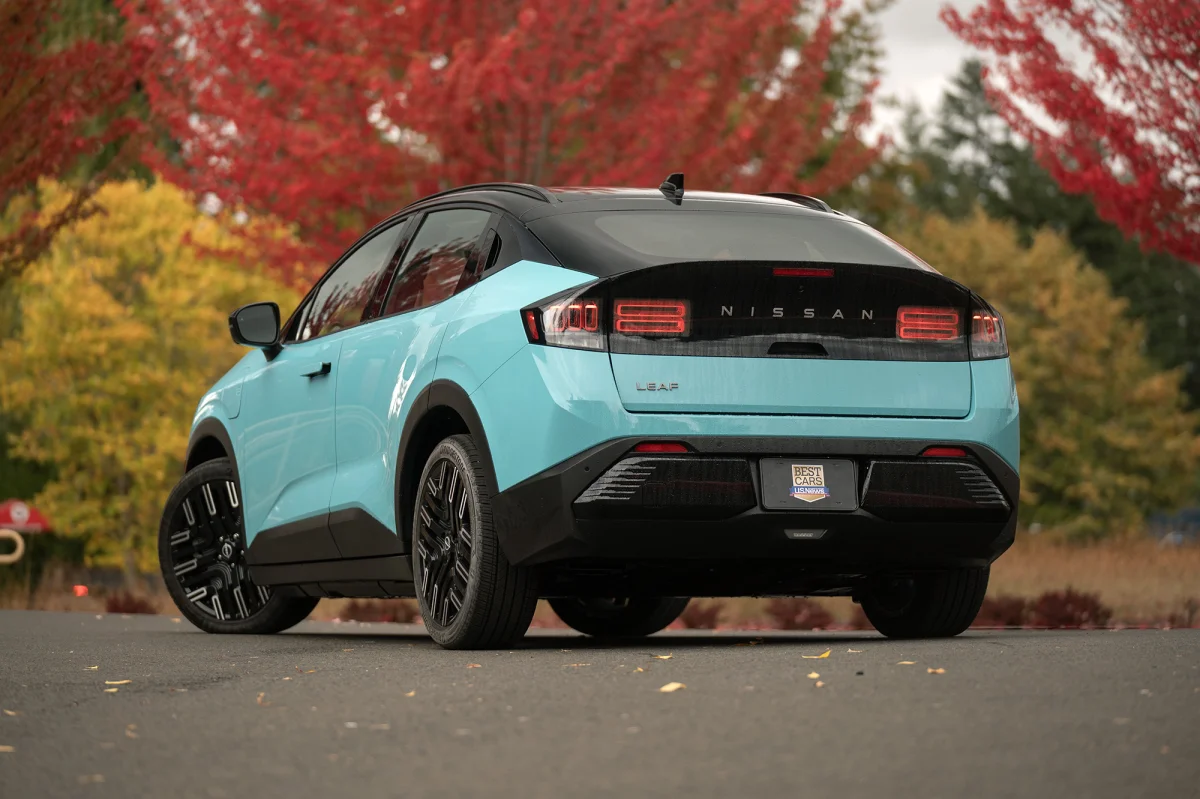
The biggest change is that the LEAF has been fully redesigned. Instead of continuing as a traditional compact hatchback, the 2026 model moves toward a sleeker, more crossover-like shape. That matters because many shoppers want the efficiency of a small EV but the seating position, cargo access, and visual presence of a crossover.
Nissan also gives the LEAF a much stronger range story. The headline figure is up to 303 miles, which puts the vehicle in a very different category from earlier LEAF models. For daily driving, that means fewer charging sessions. For longer trips, it means the LEAF is no longer just a city-first EV.
Another major update is charging compatibility. Nissan has announced NACS fast-charging support, which is important because charging access is one of the biggest concerns for first-time EV buyers. The redesign also brings a more modern interior, available large displays, and more advanced driver assistance features.
Confirmed Specs and What They Mean
The most important confirmed number is the available 303-mile range estimate. On paper, that gives the 2026 LEAF enough range to cover a typical week of commuting for many drivers without daily charging. In real life, range will depend on speed, weather, climate control use, terrain, and driving style, but the larger battery option meaningfully improves flexibility.
The redesigned LEAF also benefits from a more aerodynamic body. That is not just a styling detail. Better aerodynamics can help preserve range at highway speeds, where EVs often use energy more quickly. For buyers who drive on freeways often, this matters more than it may seem.
The move to a more modern EV platform also helps the LEAF feel less like a legacy economy car converted into an EV. The packaging, cabin layout, and driving experience should be more competitive with newer electric rivals.
Powertrain, Range, MPG, or Performance
The 2026 Nissan LEAF is designed as a front-wheel-drive electric vehicle, with available long-range battery capability. The most compelling version is the one offering up to 303 miles of range, because that figure makes the LEAF viable as a primary household car rather than simply a second commuter vehicle.
Performance should be more than adequate for everyday use. EVs deliver instant torque, so the LEAF should feel responsive in city traffic, merging situations, and stop-and-go driving. It is not positioned as a performance EV, and that is part of the appeal. The focus is usability, efficiency, and value.
Charging is one of the biggest upgrades. The addition of NACS compatibility helps make the LEAF easier to recommend, especially for buyers who are nervous about public charging. Home charging will still be the best experience for most owners, but better fast-charging access improves confidence for road trips and unexpected long driving days.
MPGe and final efficiency ratings can vary by trim and wheel/tire configuration, so shoppers should compare the final EPA label before buying.
Interior and Practicality
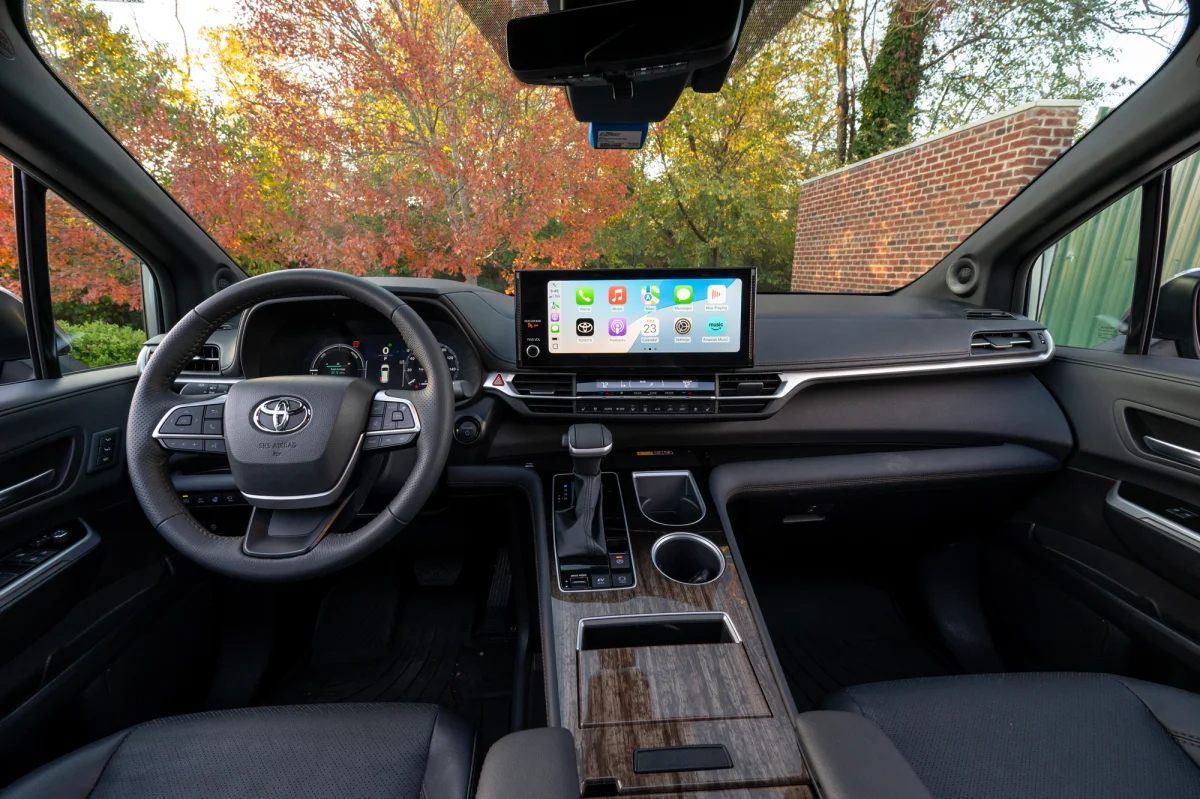
The 2026 LEAF’s interior is a major reason to consider it over older used EVs. The cabin looks more modern, with available large digital displays and a cleaner dashboard layout. That helps the LEAF feel current in a market where tech presentation matters almost as much as range.
Practicality should also be a strength. The hatch-style rear opening gives the LEAF useful cargo flexibility, while the compact footprint makes it easier to park than larger EV crossovers. This is the sweet spot for many buyers: small enough for daily convenience, but roomy enough for groceries, commuting gear, child seats, or weekend bags.
The LEAF is best viewed as a practical EV for real life, not a luxury statement. That is a good thing. Buyers looking for a sensible electric vehicle usually care more about comfort, visibility, range, charging convenience, and ownership costs than flashy acceleration or oversized wheels.
Safety and Driver Assistance
Nissan typically equips its mainstream vehicles with a strong suite of driver assistance technologies, and the 2026 LEAF is expected to continue that approach. Available features may include systems such as automatic emergency braking, blind spot monitoring, lane assistance, adaptive cruise assistance, and ProPILOT-style highway support, depending on trim.
The important takeaway is that the LEAF is not just about electrification. It is also about reducing stress. Good driver assistance can make commuting easier, especially in heavy traffic or on longer highway drives.
Shoppers should still remember that these systems are assists, not replacements for attention. The best use case is simple: let the technology reduce fatigue while the driver remains fully engaged.
Who This Vehicle Is Best For
The 2026 Nissan LEAF is best for buyers who want an affordable, approachable EV with enough range to handle more than short local errands. It is especially appealing for:
- First-time EV shoppers who want a familiar brand and a practical ownership experience
- Commuters who want to reduce fuel stops and daily running costs
- Small families or couples who need useful cargo space without moving into a large SUV
- Drivers who want strong range but do not need luxury-brand pricing or extreme performance
- Buyers who can install home charging or have reliable access to workplace/public charging
The LEAF is also a strong fit for people who want an EV that feels normal. Not every electric vehicle buyer wants a futuristic design experiment. Some simply want a comfortable, efficient, easy-to-own car.
Who Should Skip It
The 2026 LEAF may not be the right choice for everyone. Buyers who regularly tow, need three rows, or take frequent long-distance road trips through areas with sparse charging may want a larger EV with faster charging, more cargo room, or all-wheel drive.
Performance-focused shoppers may also prefer a Tesla Model 3, Hyundai IONIQ 5, or other EVs with stronger acceleration. The LEAF’s advantage is value and usability, not sports-car speed.
Drivers who cannot charge at home should think carefully, too. Public charging is improving, and NACS support helps, but home charging remains the easiest way to make EV ownership feel seamless.
Main Rivals
The 2026 Nissan LEAF competes with several practical electric vehicles. The closest rivals include the Hyundai Kona Electric, Kia Niro EV, Chevrolet Equinox EV, Tesla Model 3, and possibly other compact EV crossovers depending on market availability.
Against the Kona Electric and Niro EV, the LEAF’s advantage is its fresh redesign and available 303-mile range. Against the Equinox EV, the LEAF may appeal to buyers who want something smaller and easier to park. Against the Tesla Model 3, the LEAF counters with a more traditional hatch/crossover format and Nissan’s mainstream dealer network.
The real competitive advantage is simplicity. The LEAF does not need to be the fastest or flashiest EV to win shoppers. It needs to be affordable, efficient, comfortable, and easy to live with. Based on the announced direction, that is exactly where it is aiming.
Release Date / Availability
Nissan announced the redesigned 2026 LEAF for the U.S. market with availability tied to the 2026 model-year rollout. Dealer arrival timing, trim availability, and regional allocation can vary, so shoppers should check directly with Nissan retailers for the most current ordering and delivery information.
This is especially important for buyers interested in the longest-range version. Early demand for affordable long-range EVs can make certain trims harder to find.
Final Take
The 2026 Nissan LEAF looks like one of the most important affordable EVs to watch. It takes the nameplate’s original strengths—low-stress electric driving, practical size, and mainstream appeal—and adds the range, styling, and charging improvements modern buyers expect.
The biggest reason to consider it is balance. Up to 303 miles of range gives it everyday freedom. The redesigned body makes it more practical and appealing. NACS compatibility makes public charging less intimidating. And the Nissan badge gives shoppers a familiar path into EV ownership.
For buyers who want a sensible electric vehicle that feels attainable rather than experimental, the 2026 LEAF should be on the test-drive list.