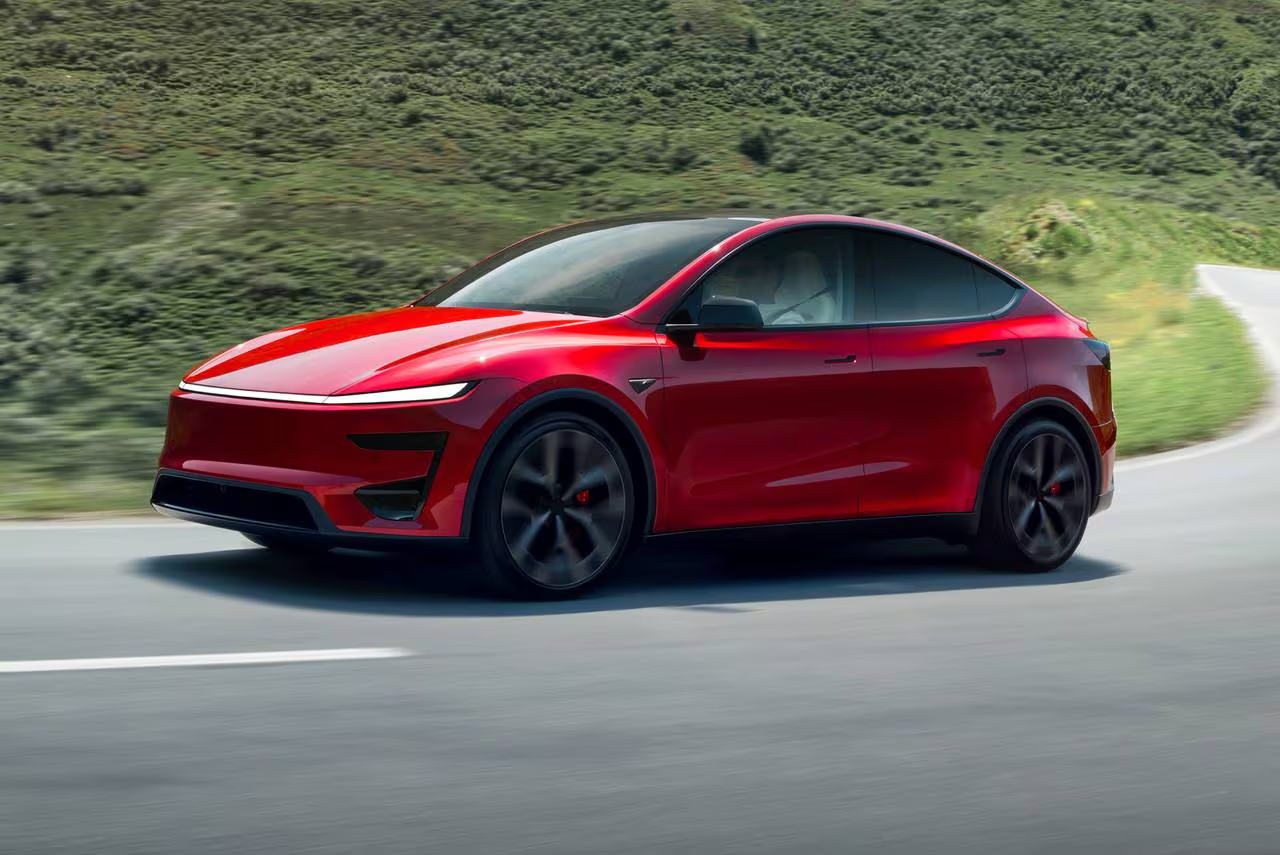
The 2026 Tesla Model Y continues to be one of the most important electric SUVs for shoppers who want long range, everyday practicality, fast charging access, and a technology-forward driving experience. With an advertised range of up to 357 miles, the Model Y is positioned as a strong all-around EV rather than a niche choice for early adopters. The bigger story is not just the number on the spec sheet. It is how the Model Y combines range, cargo space, charging convenience, software, safety features, and low-maintenance EV ownership into one package that works for commuters, families, and first-time electric vehicle buyers.
What’s New for 2026
For 2026, the Tesla Model Y continues to emphasize efficiency, everyday usability, and simplified EV ownership. One of the key highlights is the availability of a Premium Rear-Wheel Drive version rated at up to 357 miles of EPA-estimated range, although range varies by trim, wheels, driving conditions, and charging habits.
The 2026 Model Y also benefits from Tesla’s continued refinement of its electric SUV formula. That means a minimalist cabin, a large central touchscreen, over-the-air software updates, quick acceleration depending on trim, and access to Tesla’s Supercharger network. Rather than feeling like a conventional SUV adapted for electric power, the Model Y remains designed around the EV experience from the start.
That matters because many electric SUV shoppers now want a vehicle that can replace a gasoline crossover without adding major inconvenience. The Model Y’s appeal is that it combines long-range capability, practical interior space, simple charging access, and the everyday advantages of an EV.
Confirmed Specs and What They Mean
The headline figure is the advertised range of up to 357 miles. In practical terms, that gives the Model Y enough estimated driving distance for several days of commuting for many owners before needing a charge. It also makes road trips more realistic, especially when paired with Tesla’s Supercharger network.
The Model Y is a compact-to-midsize electric SUV with seating for five and a rear trunk. Its shape is more crossover than rugged off-roader, but that is exactly why it works well for daily driving. It offers a higher seating position than a sedan, easier cargo access, and a more useful cabin layout for families, pets, luggage, and gear.
Tesla typically keeps its trim structure simpler than many traditional automakers. That helps reduce decision fatigue. Instead of sorting through many engine options, packages, and feature bundles, shoppers generally compare range, drivetrain, performance, and interior preferences.
The main takeaway: the Model Y is not just about one impressive range number. It is about combining that range with usable space, quick charging, and a software-driven ownership experience.
Powertrain, Range, MPG, or Performance
Because the 2026 Tesla Model Y is fully electric, it does not use gasoline MPG in the traditional sense. Instead, EV efficiency is commonly measured through estimated range, energy use, and MPGe ratings from sources such as the EPA’s FuelEconomy.gov.
The range figure of up to 357 miles is the key advantage for buyers who want an EV that feels flexible. For daily use, most owners will likely charge at home and start each day with plenty of range. For longer drives, route planning and charging stops become part of the ownership experience, but Tesla’s charging network helps make that process easier than it can be with some competitors.
Performance is another Model Y strength. Even non-performance versions are typically quick because electric motors deliver instant torque. That means confident merging, easy passing, and responsive city driving. Shoppers who prioritize maximum acceleration may prefer a performance-oriented version, while those focused on efficiency should look toward the longest-range configuration.
The best choice for most buyers is likely the trim that balances range and comfort rather than the quickest version. An electric SUV is most satisfying when it fits your real driving pattern, not just when it posts the most exciting acceleration number.
Interior and Practicality
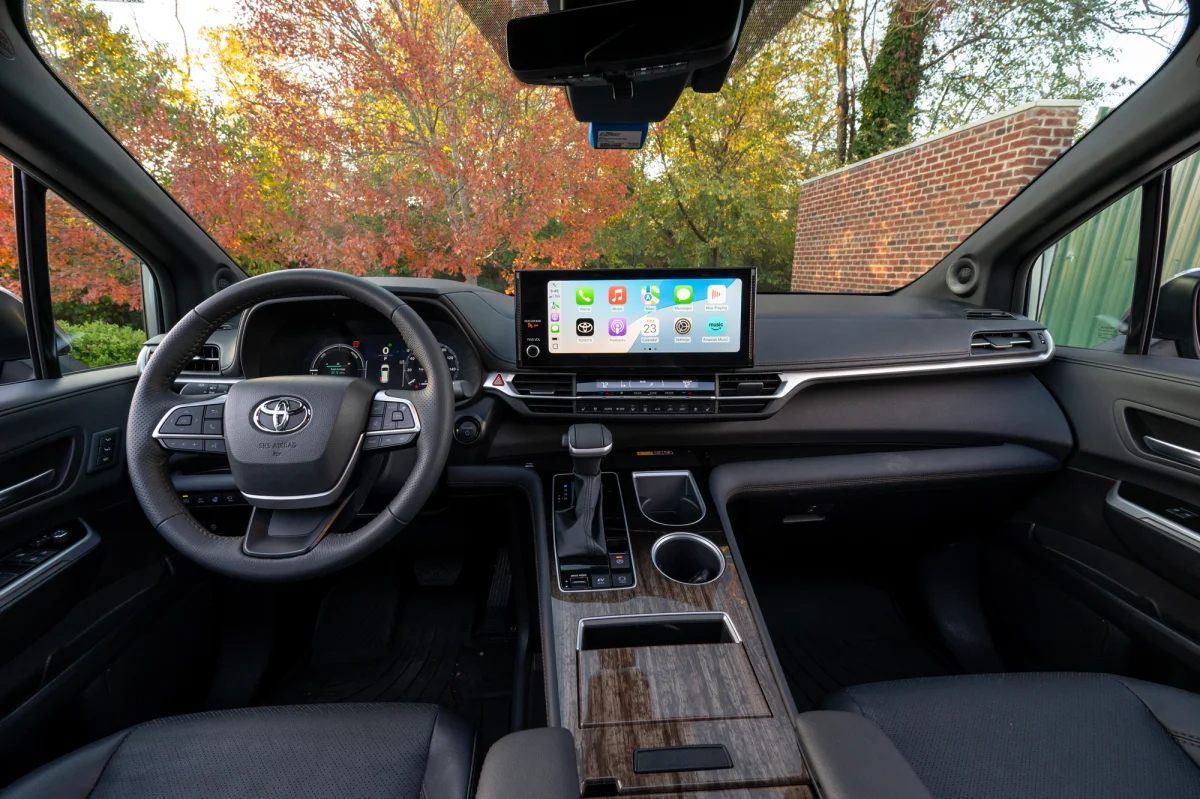
Inside, the Model Y uses Tesla’s familiar minimalist layout. Most major functions are controlled through the central touchscreen, which gives the cabin a clean, modern feel. This design appeals to drivers who like technology and simplicity, but it may take adjustment for shoppers who prefer physical buttons and traditional dashboard controls.
Practicality is one of the Model Y’s biggest selling points. The rear trunk makes it easy to load groceries, strollers, luggage, sports equipment, or small furniture. The flat floor and EV packaging also help create a spacious feel inside. Since there is no traditional gasoline engine, the Model Y also offers front storage in addition to the rear cargo area.
The cabin is best suited for people who value a quiet, uncluttered space. Families will appreciate the easy cargo access, while commuters will appreciate the low-effort driving experience. The Model Y does not try to look overly luxurious in the old-school sense. Its luxury is more about technology, space efficiency, and convenience.
Safety and Driver Assistance
The Model Y includes a suite of driver assistance technologies, and Tesla’s active safety features are a major reason many shoppers consider the brand. Features can include automatic emergency braking, lane-related assistance, collision warnings, and adaptive cruise-style functionality, depending on configuration and software availability.
It is important to understand that driver assistance is not the same as full autonomy. The driver remains responsible for monitoring the road and staying in control. For shoppers comparing EVs, this distinction matters. Tesla’s system can reduce fatigue in certain driving situations, but it should be treated as assistance rather than a replacement for attentive driving.
From a safety perspective, the Model Y also benefits from common EV design advantages such as a low-mounted battery pack, which can help with stability. Buyers should still review current safety ratings from organizations such as NHTSA and IIHS before purchasing, because ratings and tested model years can vary.
Who This Vehicle Is Best For
The 2026 Tesla Model Y is a strong fit for buyers who want an electric SUV that can handle everyday life without feeling experimental. It is especially appealing for:
- Commuters who want to reduce gasoline use and charge at home
- Families who need useful cargo space and a roomy second row
- Drivers who want long electric range without moving into a much larger SUV
- Tech-focused shoppers who like touchscreen controls and software updates
- First-time EV buyers who want access to a mature charging ecosystem
- Road-trip drivers who value Tesla Supercharger access
The Model Y is also a smart choice for shoppers who want one vehicle that can do many things well. It is efficient enough for daily use, practical enough for family duty, and quick enough to feel enjoyable.
Who Should Skip It
The Model Y will not be perfect for every buyer. Shoppers who strongly prefer physical buttons, traditional gauges, and a more conventional dashboard may find the touchscreen-heavy cabin frustrating. Drivers who regularly tow heavy loads or need true off-road capability may also be better served by a larger SUV or truck.
Some buyers may prefer a softer, more traditional ride feel from rivals. Others may want Apple CarPlay or Android Auto integration, which Tesla does not offer in the same way many competitors do. Luxury shoppers who want rich materials, quiet traditional design, and a dealership-centered experience may also prefer premium rivals from brands such as BMW, Mercedes-Benz, Genesis, or Audi.
The Model Y is best for people who want the Tesla ownership experience. Buyers who do not want that ecosystem should compare alternatives carefully.
Main Rivals
The electric SUV segment is far more competitive than it used to be. The Model Y’s strongest rivals include:
- Hyundai Ioniq 5, which offers distinctive styling, fast charging capability, and a comfortable cabin
- Kia EV6, which delivers sporty design and strong efficiency
- Ford Mustang Mach-E, which blends EV performance with familiar crossover usability
- Chevrolet Equinox EV, which targets mainstream electric SUV buyers
- Volkswagen ID.4, which offers a more traditional SUV feel
- Nissan Ariya, which focuses on comfort and refinement
- Honda Prologue, which gives Honda shoppers a familiar entry point into EV ownership
The Model Y’s biggest advantage remains its blend of range, charging access, software, and brand familiarity. Some rivals may offer more conventional interiors or unique styling, but the Tesla remains one of the easiest EVs to recommend for shoppers who want a proven electric SUV formula.
Release Date / Availability
Availability can vary by market, configuration, and production timing. Shoppers interested in the 2026 Tesla Model Y should check Tesla’s official ordering site for current trim availability, delivery estimates, range ratings, and feature details.
Because Tesla often adjusts trims, equipment, and estimated range figures over time, buyers should confirm the exact configuration before placing an order. The smartest approach is to compare the current Model Y lineup directly on Tesla’s site, then verify EPA information and any available incentives before making a final decision.
Final Take
The 2026 Tesla Model Y remains one of the most compelling electric SUVs for buyers who want range, practicality, and charging confidence in one package. The advertised range of up to 357 miles gives it the kind of flexibility that makes EV ownership easier, while the cabin, cargo space, and software experience make it feel modern and efficient.
It is not the best choice for shoppers who want a traditional interior or maximum physical controls. But for drivers ready to move into an electric SUV that is practical, quick, efficient, and supported by one of the most recognized charging networks, the 2026 Model Y deserves a top spot on the shopping list.