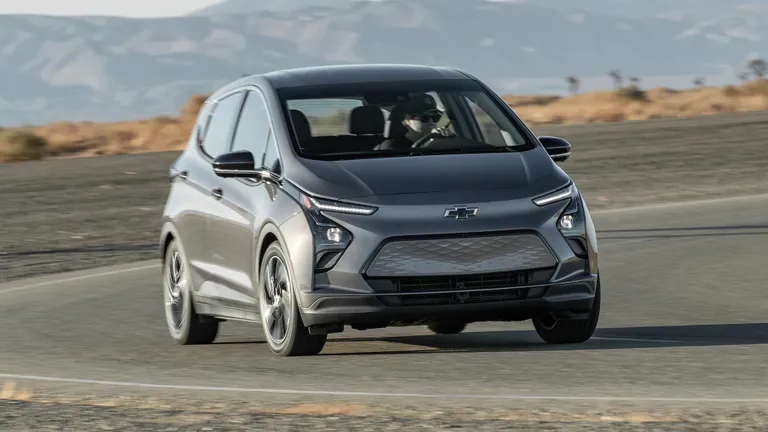
The Chevrolet Bolt has always had one simple mission: make electric driving feel attainable. After the original Bolt EV and Bolt EUV helped bring long-range EV ownership to a wider audience, Chevrolet is preparing a comeback that could matter even more now. The expected 2027 Chevrolet Bolt is shaping up as a practical, lower-cost electric vehicle with modern charging access, newer battery technology, and the kind of everyday usability many buyers actually need. For shoppers who want an EV without paying luxury-brand money, this could be one of the most important electric vehicles to watch.
What’s New for 2026
The big news is not just that the Bolt name is returning. It is that Chevrolet is expected to bring it back with a more modern EV foundation, improved charging compatibility, and a stronger value story than many newer electric vehicles.
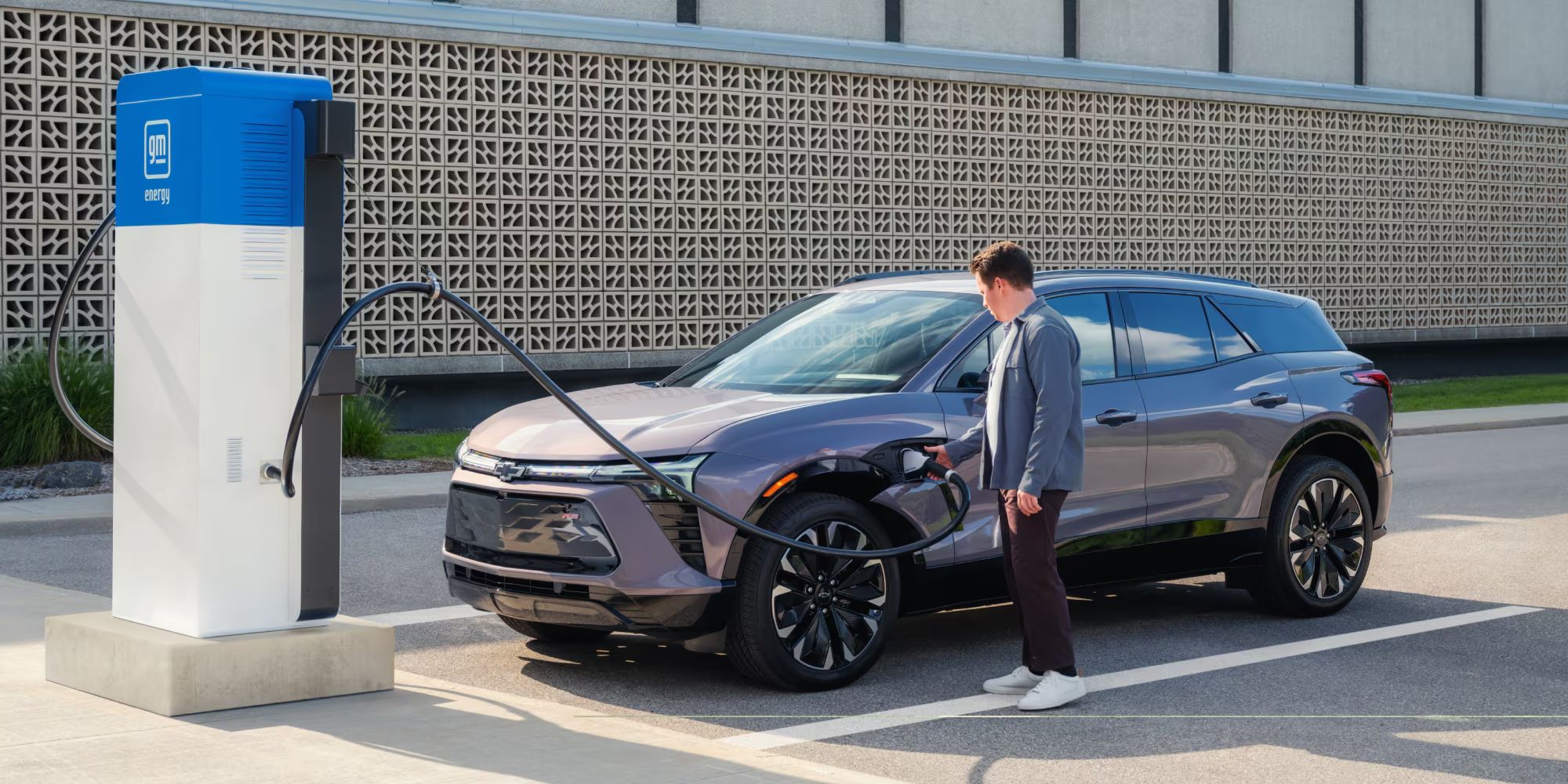
General Motors has confirmed that the next-generation Bolt will use newer battery technology and benefit from the company’s broader EV development work. The most important shopper-facing change is expected to be native NACS charging compatibility, giving Bolt owners access to a much wider and more convenient charging ecosystem than earlier models offered.
That matters because charging confidence is one of the biggest barriers for first-time EV buyers. A lower-cost EV is only truly useful if owners can easily charge it at home, on road trips, and during routine errands. With NACS support expected to be part of GM’s future EV rollout, the Bolt comeback could feel less like a budget compromise and more like a smart mainstream choice.
Confirmed Specs and What They Mean
Chevrolet has not released every final specification for the 2027 Bolt, so shoppers should treat range, charging speed, power output, dimensions, and trim details as pending until official launch information is published.
What is confirmed at a broader level is more important than a single number: the Bolt is coming back, GM intends to keep it affordable, and the company has pointed to updated battery strategy as a way to make the vehicle practical and cost-conscious.
For buyers, that suggests the next Bolt will likely focus on real-world value rather than headline-grabbing acceleration or oversized battery capacity. This is a good thing. Many EV shoppers do not need a giant SUV or ultra-fast performance model. They need a vehicle that is easy to park, inexpensive to run, comfortable for commuting, and capable of handling weekend mileage without stress.
The NACS angle is especially meaningful. Earlier Bolt models were praised for efficiency and value but were not known for cutting-edge fast-charging performance. If the new Bolt launches with better charging access and improved road-trip practicality, it could address one of the biggest weaknesses of the outgoing model.
Powertrain, Range, MPG, or Performance
The 2027 Chevrolet Bolt is expected to remain a front- or compact-platform EV focused on efficiency rather than extreme performance. Chevrolet has not confirmed final horsepower, battery size, range, or charging speeds, but the mission is clear: usable electric range at an attainable price point.
Expect the new Bolt to prioritize smooth acceleration, low operating costs, and simple daily driving. Electric vehicles deliver instant torque, so even modest EVs usually feel responsive in city traffic. That is where the Bolt has traditionally worked best: commuting, school drop-offs, local errands, and predictable daily mileage.
Range will be a key factor. The previous Bolt already offered enough range for many commuters, and a next-generation model will need to stay competitive against newer rivals. The most important number may not be maximum range, though. It may be how quickly and conveniently drivers can add usable miles.
That is where NACS charging could improve the ownership experience. Access to a broader charging network can make an EV feel more flexible, especially for apartment dwellers, road-trippers, and buyers without perfect home-charging setups.
Interior and Practicality
The Bolt’s appeal has never been about flash. It is about packaging. A compact EV can be surprisingly roomy because electric platforms allow clever use of cabin space. The outgoing Bolt models were easy to maneuver, simple to park, and practical enough for small families, commuters, and urban drivers.
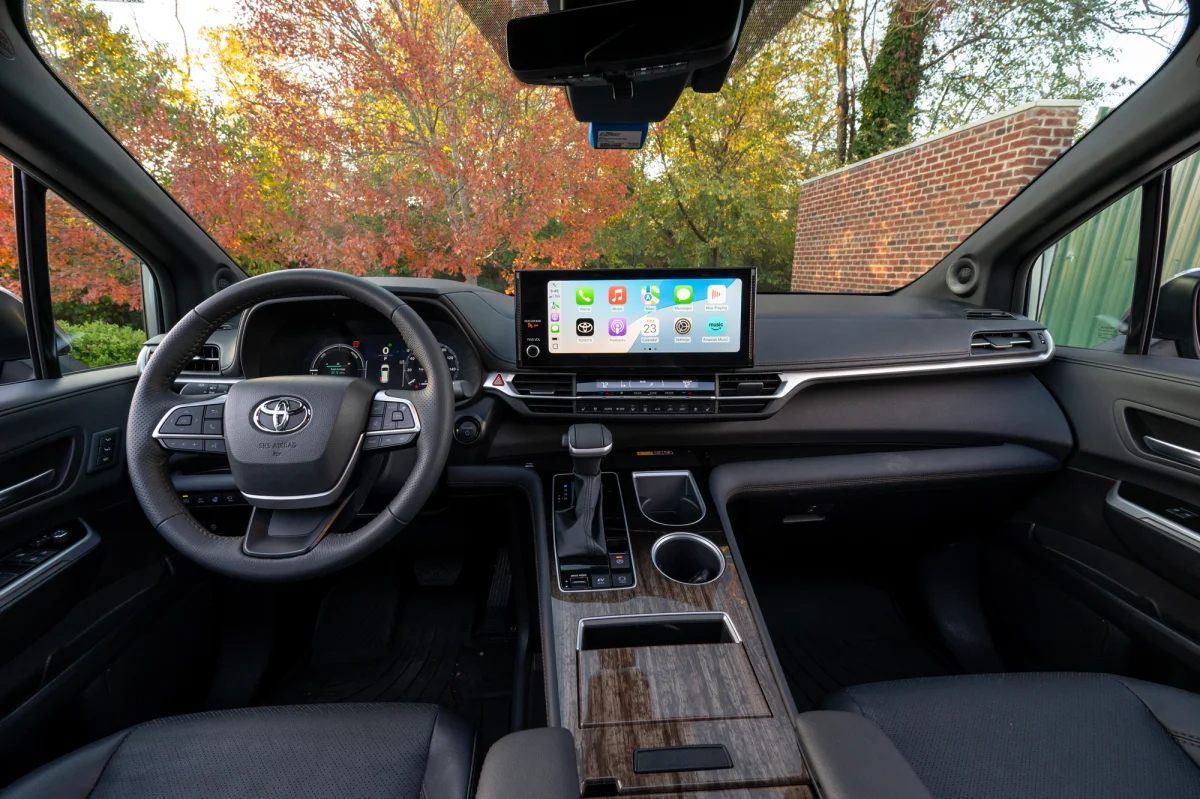
The 2027 Bolt should continue that formula. Expect a cabin designed around usable space, straightforward controls, and technology that supports everyday driving. Chevrolet will likely need to improve perceived interior quality, infotainment speed, seat comfort, and cargo flexibility to stay competitive with newer EVs.
Practicality is where this vehicle could win. Not everyone wants a massive electric SUV. Many shoppers want something smaller, less intimidating, and easier to live with. A revived Bolt could be ideal for buyers who value efficiency over image and convenience over complexity.
Safety and Driver Assistance
Final safety ratings for the 2027 Chevrolet Bolt will not be available until the vehicle is tested by agencies such as NHTSA or IIHS. However, shoppers should expect Chevrolet to include a competitive suite of driver-assistance features.
Likely equipment may include automatic emergency braking, lane-keeping assistance, blind-spot monitoring, rear cross-traffic alert, adaptive cruise control on select trims, and a strong camera-based parking system. These features are increasingly expected in mainstream vehicles, especially EVs marketed toward daily commuters and families.
The real question will be how much safety technology Chevrolet includes as standard. For an affordable EV, value depends on more than the base price. Buyers should compare trims carefully and look at which safety features are included without needing expensive packages.
Who This Vehicle Is Best For
The 2027 Chevrolet Bolt is best for drivers who want to go electric without overbuying. It should appeal to commuters, first-time EV shoppers, small households, city drivers, rideshare drivers, and anyone who wants lower day-to-day energy costs without stepping into a premium EV.
It also makes sense for shoppers who care about charging access. NACS compatibility could make the new Bolt feel much easier to recommend than older budget EVs with more limited road-trip convenience.
This vehicle is especially compelling for practical buyers who ask simple questions: Can I charge it easily? Is it efficient? Is it easy to park? Does it have enough range for my real life? Will it cost less to operate than a gas vehicle? The Bolt comeback appears aimed directly at those concerns.
Who Should Skip It
Shoppers who want maximum luxury, three-row seating, serious towing ability, or sports-car acceleration should look elsewhere. The Bolt is unlikely to be the right EV for buyers who want the biggest battery, fastest charging speed, or most premium interior in the segment.
It may also be worth skipping for drivers who frequently take long highway trips in areas where charging infrastructure is still limited. NACS access helps, but public charging convenience still depends on where you live and travel.
Buyers who need more cargo room or all-wheel drive may be better served by a larger electric crossover. The Bolt’s strength is expected to be affordability and efficiency, not maximum capability.
Main Rivals
The 2027 Chevrolet Bolt will likely compete with practical, value-focused EVs such as the Nissan Leaf, Hyundai Kona Electric, Kia Niro EV, Volvo EX30, and lower-priced versions of the Tesla Model 3 or Tesla Model Y when incentives and discounts apply.
Its biggest advantage could be simplicity. Some rivals may offer more style, more performance, or more premium interiors, but the Bolt name already has credibility with shoppers who want a dependable, efficient EV without unnecessary extras.
The strongest competition may come from used EVs. A shopper considering a new Bolt may also compare it with a used Tesla, used Hyundai Ioniq 5, used Kia EV6, or certified pre-owned Bolt EUV. Chevrolet will need to make the new Bolt feel modern enough to justify buying new.
Release Date / Availability
Chevrolet has confirmed that the Bolt nameplate is returning, but final timing, trim lineup, pricing, and ordering details should be verified through Chevrolet closer to launch.
Because the vehicle is being positioned as an affordable EV comeback, demand could be strong when reservations or dealer allocation begin. Interested shoppers should monitor Chevrolet’s official updates and speak with local dealers about availability, charging-equipment options, and possible incentives.
Final Take
The 2027 Chevrolet Bolt could be one of the most important EVs for everyday buyers. Not because it will be the fastest, flashiest, or most luxurious electric vehicle, but because it may deliver what many people actually want: useful range, modern charging access, manageable size, and an attainable ownership experience.
The addition of NACS charging has the potential to change the Bolt’s reputation from “great commuter EV” to “credible all-around affordable EV.” Final specs will determine how competitive it really is, but the formula is promising.
For shoppers waiting for an electric vehicle that feels sensible rather than extravagant, the Bolt comeback deserves a spot near the top of the watchlist.
Sources
- General Motors announcement on next-generation Chevrolet Bolt: https://news.gm.com/newsroom.detail.html/Pages/news/us/en/2023/jul/0725-bolt.html
- General Motors announcement on NACS charging access: https://news.gm.com/newsroom.detail.html/Pages/news/us/en/2023/jun/0608-gm.html
- SAE information on the NACS/J3400 charging standard: https://www.sae.org/standards/content/j3400_202312/
- U.S. Department of Energy EV efficiency and ownership information: https://www.fueleconomy.gov/feg/evtech.shtml