Here’s the headline nobody expected: electric cars in 2026 are cheaper, better-ranged, and more capable than at any point in EV history — right after the $7,500 federal tax credit disappeared. The credit expired September 30, 2025, eliminated by the One Big Beautiful Bill Act. New EV sales dropped 28% in Q1 2026. Automakers responded by slashing prices and flooding buyers with incentives. The result is a buyer’s market where you can get more EV for your money than the tax credit era ever offered.
What Happened to the EV Tax Credit?
The federal Clean Vehicle Credit (IRS Section 30D), which provided up to $7,500 for qualifying new electric vehicles, was repealed by the One Big Beautiful Bill Act signed July 4, 2025. The credit remained available for vehicles purchased on or before September 30, 2025. After that date, it’s gone — and the IRS has confirmed it will not apply retroactively to 2026 purchases.
What replaced it is different in structure and value. The OBBBA introduced an auto loan interest deduction of up to $10,000 per year on new, US-assembled vehicles through 2028. Critically, this is a deduction — it reduces taxable income rather than providing a dollar-for-dollar credit. The actual tax benefit depends on your tax bracket. For a buyer in the 22% bracket, a $10,000 deduction saves $2,200 — less generous than the old credit but available to a broader range of vehicles.
💡 Key: The auto loan interest deduction applies to US-assembled vehicles broadly, not just EVs. It phases out above $100K income (single filers) and $200K (joint filers).
State incentives are now the primary source of EV savings. Colorado offers up to $9,000 for income-qualified buyers. New Jersey offers $4,000. Massachusetts offers $3,500. Illinois, New York, and several other states have active programs. Stack state and federal interest deductions and you can still save $5,000–$12,000 depending on your state and income.
The Silver Lining: Automaker Incentives Are Historic
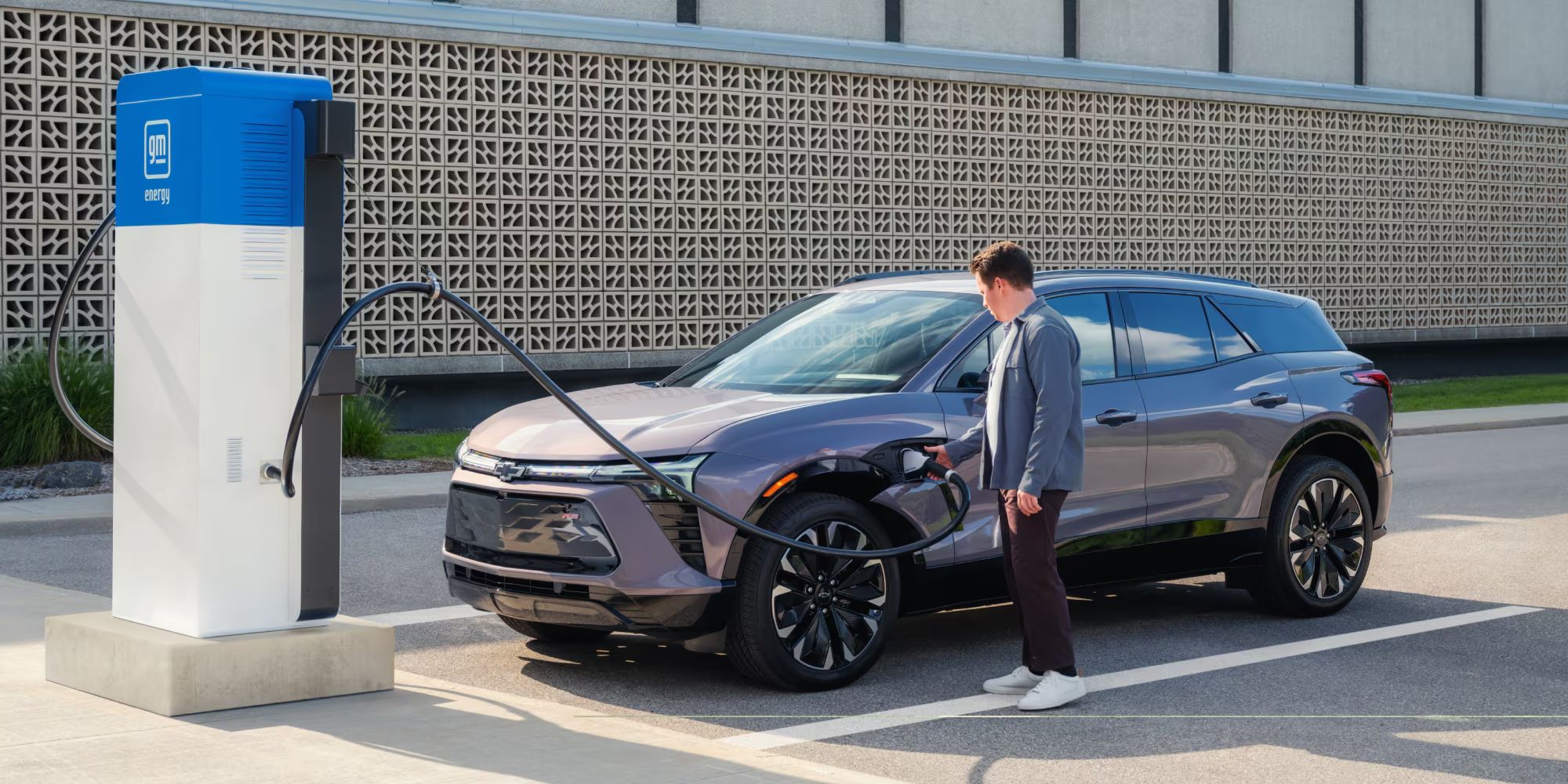
With 130 days of EV inventory sitting on dealer lots — more than double the healthy 60-day level — automakers are offering the most aggressive buyer incentives since the pandemic. Hyundai cut the 2026 Ioniq 5’s starting price by up to $9,800. GM is offering $7,500 to $10,000 in direct cash rebates on Equinox EV and Blazer EV. Ford is offering 0% financing on the Mustang Mach-E. Dealers are motivated and prices are negotiable.
The effective purchase price of a well-chosen 2026 EV — accounting for manufacturer incentives, state credits, and the loan interest deduction — is often lower today than the headline MSRP minus the old federal credit would have been. The credit is gone, but the deals are real.
Best EV Under $30,000: 2026 Nissan Leaf
The completely redesigned 2026 Nissan Leaf starts at $29,990 and is the cheapest new EV in America — and for the first time, it’s genuinely competitive. The previous-generation Leaf was a dated compromise. The 2026 model is a crossover-shaped hatchback with over 303 miles of range, a NACS port for access to Tesla’s Supercharger network, and modern infotainment. It won’t thrill you with 0–60 acceleration (about 7.9 seconds), but it’s a sensible, reliable daily driver for first-time EV buyers who want to minimize upfront cost.
💡 Best for: First-time EV buyers, urban commuters, buyers with a tight budget who want proven EV technology.
Best Overall EV Value: 2026 Chevrolet Equinox EV
The 2026 Chevrolet Equinox EV starts at $33,600 and delivers 319 miles of EPA-estimated range with front-wheel drive — one of the best range-to-dollar ratios in the entire EV market. GM cut the price significantly from its launch sticker and is currently offering $7,500 to $10,000 in cash rebates that effectively replace the departed federal credit.
The Equinox EV features 220 hp in FWD configuration (300 hp with available AWD), a well-executed infotainment system, wireless Apple CarPlay and Android Auto, and a 11.7-inch touchscreen. It’s a genuinely well-rounded package that competes directly with the Tesla Model Y and Hyundai Ioniq 5 at a lower effective price point after incentives.
💡 Best for: Buyers who want maximum range per dollar, GM’s service network coverage, and current-market deal accessibility.
Best EV Performance per Dollar: 2026 Hyundai Ioniq 5
The Hyundai Ioniq 5 has won Kelley Blue Book’s Best EV award three years running, and Hyundai responded to the tax credit’s expiration with cuts of up to $9,800 — bringing the starting price to $35,000. For that money, you get up to 318 miles of range and 800-volt charging architecture that can add 10% to 80% battery in roughly 20 minutes. That’s faster than almost anything in this price range and meaningfully faster than 400-volt systems that dominate the segment.
The Ioniq 5’s interior is distinctive — a retro-futurist design with sliding center console, a flat floor for maximum interior space, and genuine premium materials. It drives with the confidence of a vehicle engineered by a company that’s been building EVs seriously for years. The AWD version hits 60 mph in 5.1 seconds.
💡 Best for: Buyers who want class-leading charging speed, a distinctive interior, and a proven EV platform from a manufacturer fully committed to electrification.
Best EV for Range: 2026 Hyundai Ioniq 6
The Ioniq 6 sedan starts at $38,000 and holds the range crown in its price class: up to 361 miles on a single charge, enabled by a drag coefficient of just 0.21 — the most aerodynamic car in its segment. The 800-volt architecture is shared with the Ioniq 5. AWD hits 0–60 in 5.1 seconds. Interior comfort is excellent, and the sleek exterior has generated serious enthusiasm in a segment that traditionally rewards practicality over design.
The Ioniq 6 isn’t the right choice if you need SUV cargo space — it’s a sedan, and a sleek one. But for buyers who primarily want range, charging speed, and efficiency without the SUV form factor premium, it’s the standout option in 2026.
Best Three-Row EV: 2026 Hyundai Ioniq 9
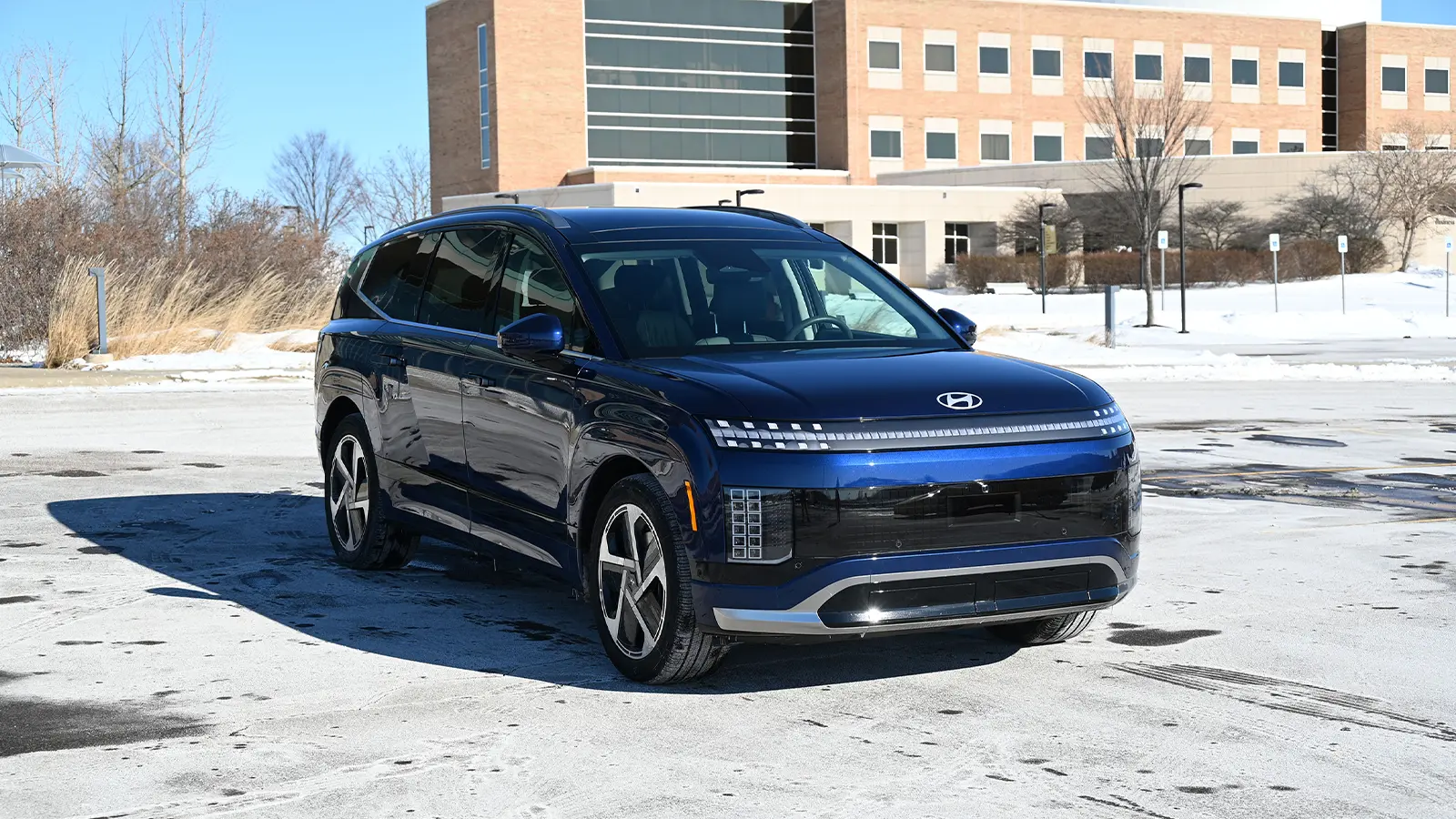
The Ioniq 9 is the headline new EV of 2026 — Hyundai’s answer to the Tesla Model X and Kia EV9. It offers 335 miles of range, three rows of genuinely usable seating (including uncommonly easy third-row access through wide rear doors), and Hyundai’s 800-volt charging architecture. Deals including 72-month 0% financing with $3,000 bonus cash and leases from $369/month make it accessible for buyers who want full three-row EV capability without a six-figure price.
Used EVs in 2026: The Hidden Opportunity
The used EV market is the real sleeper opportunity of 2026. A wave of 2023–2025 lease returns — projected to exceed 300,000 units — is flooding dealer lots with low-mileage EVs at steep discounts. Used EV sales surged 12% in Q1 2026. Average used EV prices have fallen 5–10% year-over-year on many models.
What you can find: 2023 Hyundai Ioniq 5 with under 20,000 miles for $27,000–$30,000. 2022–2023 Chevrolet Bolt EV for under $18,000. 2023 Tesla Model 3 Standard Range for $25,000–$28,000. These prices represent significant value for buyers who’ve been waiting for EV prices to normalize.
Used EV considerations: always check battery state-of-health using the manufacturer’s app or a third-party tool (Recurrent, Geotab). Most EV batteries from 2022+ are warrantied for 8–10 years/100,000–150,000 miles. A 2022 EV with 30,000 miles and a healthy battery is a genuinely low-risk purchase.
Charging Reality Check for 2026
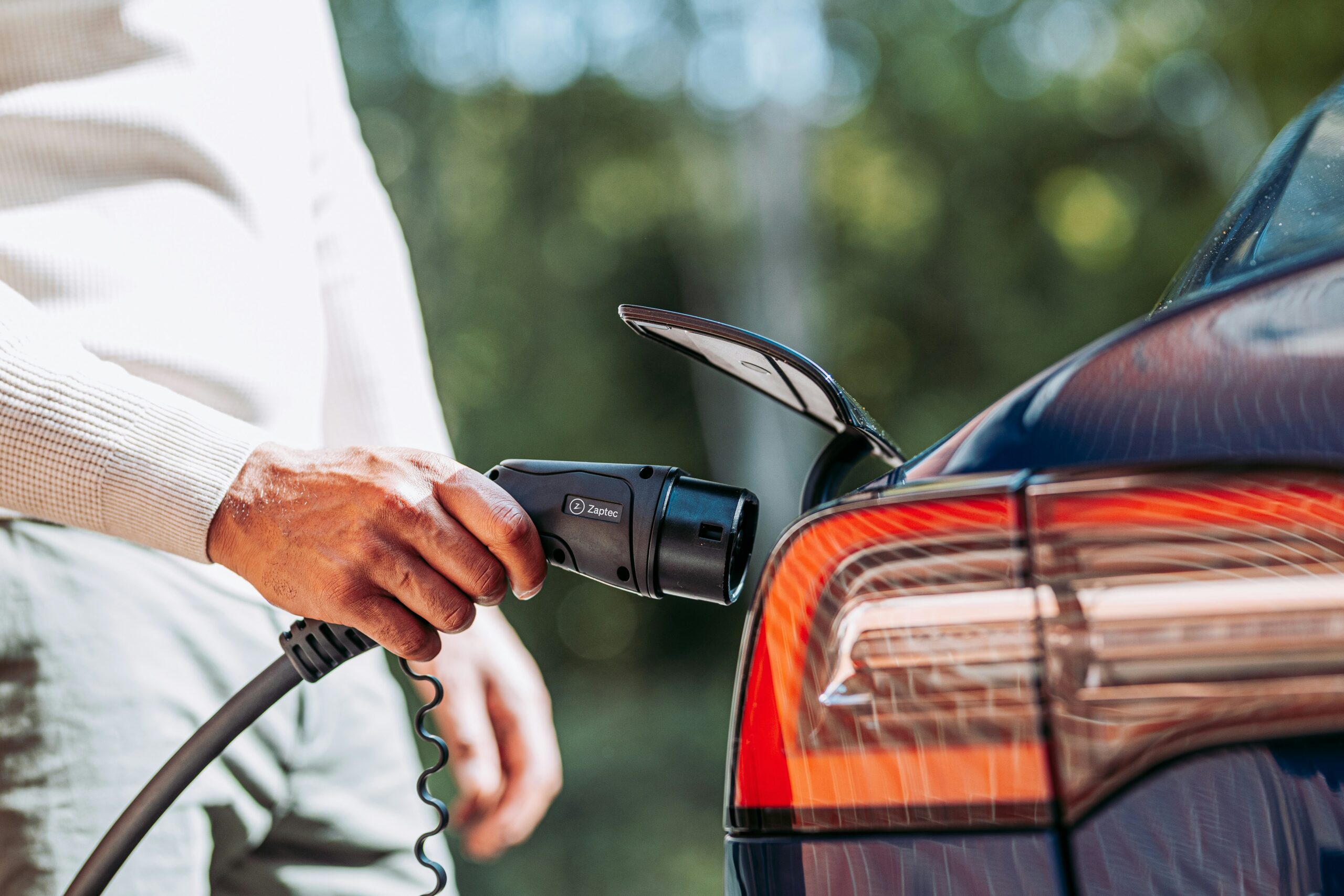
Nearly every 2026 EV now includes a NACS port — the standard previously exclusive to Tesla. This means access to Tesla’s Supercharger network regardless of brand, which is a dramatic improvement in charging convenience from 2023–2024. The Supercharger network remains the most reliable and densely distributed DC fast charging infrastructure in the US.
Home charging remains the highest-leverage upgrade for EV ownership. A Level 2 charger (240V, professionally installed) costs $400–$800 for equipment and $200–$500 for installation. The 30C home charger tax credit — 30% of installation cost, up to $1,000 — remains active through June 30, 2026. Install before the deadline.
2026 EV Comparison Table
| Model | Range | Starting Price (before incentives) |
| Nissan Leaf (redesigned) | 303 miles | $29,990 |
| Chevrolet Equinox EV | 319 miles | $33,600 |
| Hyundai Ioniq 5 | 318 miles | $35,000 |
| Ford Mustang Mach-E | 300 miles | $38,490 |
| Hyundai Ioniq 6 | 361 miles | $38,000 |
| Tesla Model 3 LR | 363 miles | $42,490 |
| Tesla Model Y LR | 320 miles | $44,990 |
| Hyundai Ioniq 9 (3-row) | 335 miles | $54,900 |
Bottom Line: Is 2026 a Good Time to Buy an EV?
Yes — arguably the best time in EV history, despite the tax credit’s absence. Prices have dropped faster than the credit disappeared. Automaker incentives are at record levels. The vehicles themselves are dramatically better than anything available three years ago. Charging infrastructure has matured significantly. And the used EV market offers entry points that would have been unthinkable in 2022.
The buyers who will get the best deals in 2026 are those who do their homework on state incentives, negotiate seriously on models with high dealer inventory, and consider the used EV market before defaulting to new.