Buying your first electric vehicle is exciting, but the real upgrade begins when you stop thinking of charging as a public errand and start treating it like plugging in your phone overnight. For many first-time EV buyers, home charging is the feature that makes electric driving feel simple, practical, and surprisingly convenient. With the right setup, you can wake up to a ready vehicle, reduce dependence on public chargers, and build a daily routine that fits your life instead of changing it.
Why Home Charging Is the First Upgrade Most EV Buyers Should Consider
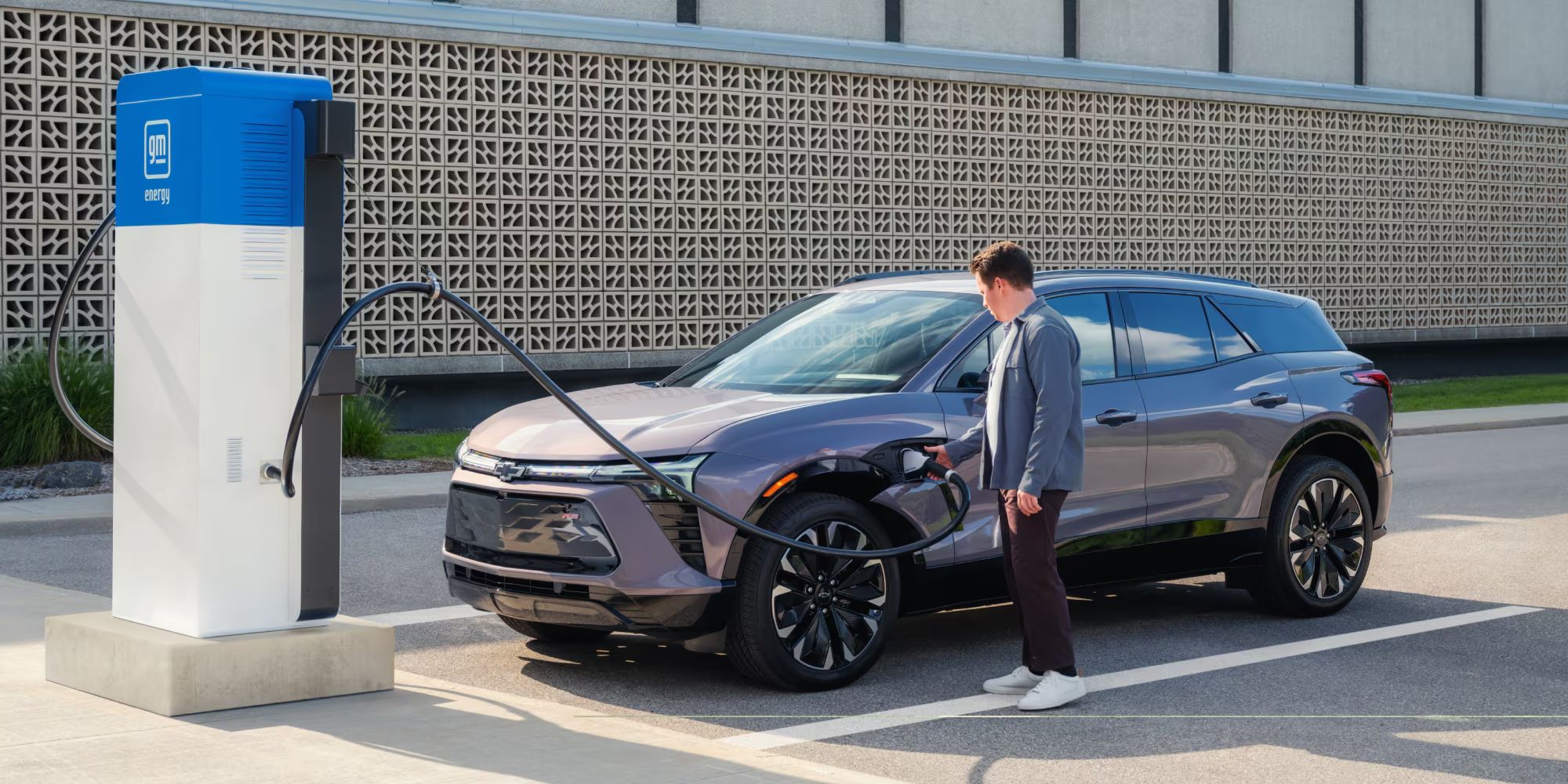
Public charging matters, especially for road trips and longer days, but home charging is what makes EV ownership feel effortless. Instead of waiting until the battery is low, most drivers simply plug in when they get home and let the car recharge while parked.
The U.S. Department of Energy explains that EVs can be charged using different charging levels, including standard household charging and faster residential Level 2 charging. For many buyers, understanding these options before purchasing the vehicle helps avoid surprises later.
Home charging can also help you avoid the “fuel stop” mindset. You are not trying to refill from empty every time. You are topping up regularly, often during the hours when the vehicle would be sitting unused anyway. That small habit can make EV ownership feel more natural than visiting a gas station.
Level 1 vs. Level 2 Charging: What First-Time Buyers Should Know
The first decision is usually whether to rely on Level 1 charging or install a Level 2 charger.
Level 1 charging typically uses a standard household outlet. It can be a simple entry point for plug-in hybrids or drivers with short daily commutes. The benefit is convenience: many homes already have compatible outlets. The tradeoff is speed. Level 1 charging is generally slower, so it may not be ideal for drivers who travel longer distances each day or want faster overnight recovery.
Level 2 charging usually requires a dedicated 240-volt circuit and charging equipment. This is the most popular home-charging upgrade for many full-battery EV owners because it can add range much faster than Level 1 charging. According to the U.S. Department of Energy’s Alternative Fuels Data Center, Level 2 equipment is commonly used in homes, workplaces, and public locations.
Before you choose, think about your real driving routine:
- How far you usually drive in a day
- Whether you park near an outlet or electrical panel
- Whether you own or rent your home
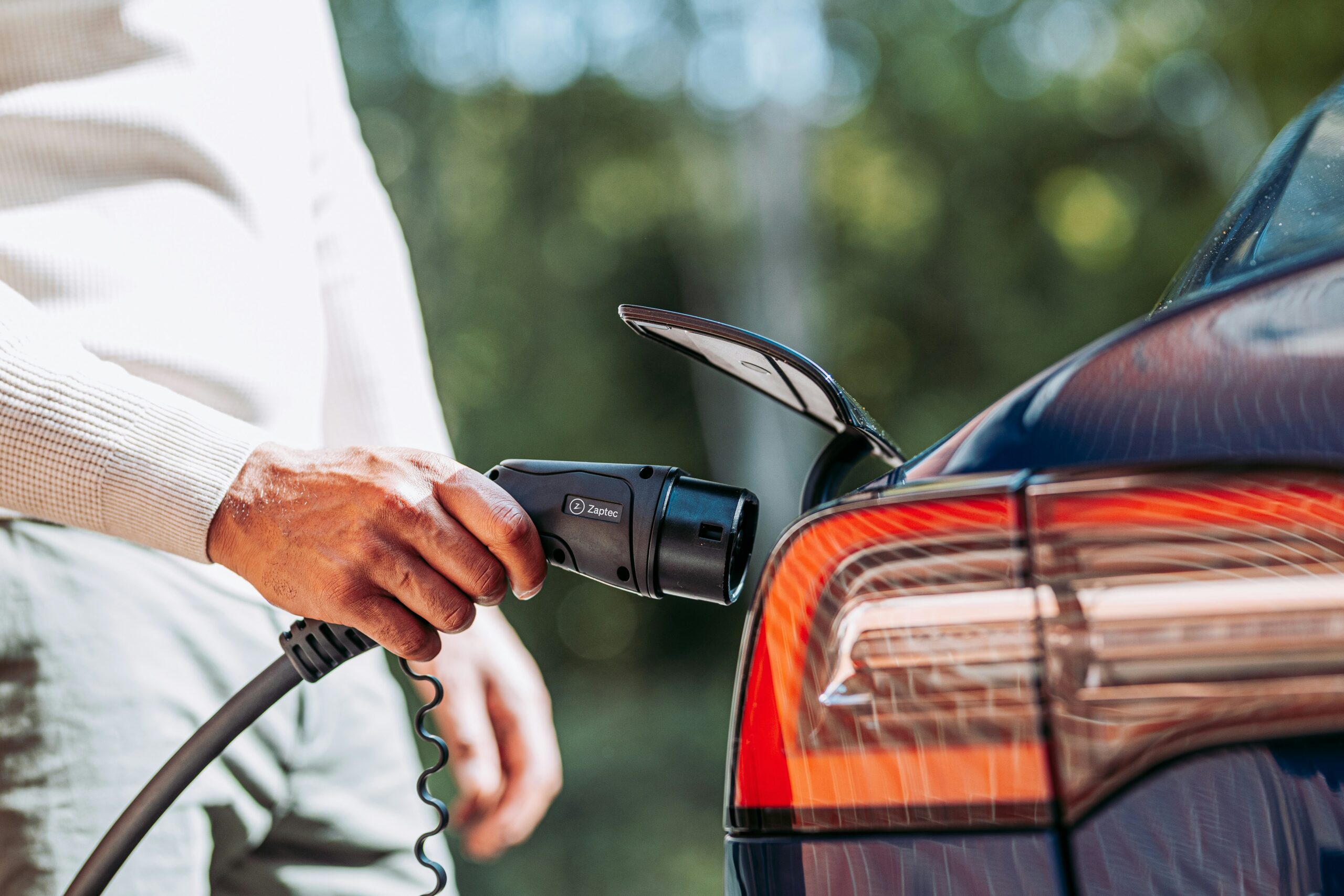
- Whether your vehicle includes a portable charging cable
- Whether you want a faster, more permanent setup
A first-time buyer does not always need the most advanced charger. The right charger is the one that fits your vehicle, your panel capacity, your parking space, and your daily mileage.
The Home Electrical Check You Should Do Before Installation
Before buying charging equipment, it is smart to have a licensed electrician evaluate your home’s electrical system. A professional can look at your electrical panel, available capacity, parking location, wiring route, outlet needs, and local code requirements.
This step matters because EV charging is a high-use electrical load. A proper installation is about more than convenience; it is about safety, reliability, and long-term performance. The National Fire Protection Association and other safety-focused organizations emphasize using properly installed electrical equipment and following applicable electrical codes.
A qualified electrician may recommend:
- A dedicated circuit for EV charging
- A hardwired charger instead of a plug-in unit
- A weather-rated charger for outdoor parking
- Panel upgrades or load management equipment
- A permit or inspection depending on local rules
This is where many first-time buyers make a mistake: they buy the vehicle first, then discover their parking space or electrical panel needs extra planning. Starting the home-charging conversation early helps you make a cleaner purchase decision and avoid delays.
Smart Charging Features That Can Make Ownership Easier
Many modern home chargers include smart features designed to give drivers more control. These may include app-based scheduling, energy-use tracking, charging reminders, Wi-Fi connectivity, and the ability to delay charging until preferred hours.
These features can be especially helpful if your electric utility offers time-of-use rates, where electricity costs vary by time of day. Availability and savings depend on your utility, your location, and your specific rate plan, so buyers should check directly with their electric provider before assuming any discount applies.
Smart charging also helps first-time EV owners build better habits. You can schedule charging after you arrive home, monitor sessions from your phone, and get alerts if charging stops unexpectedly. For households with multiple drivers, these features can make shared charging more predictable.
Some vehicles also include built-in charging schedules through the car’s infotainment system or mobile app. That means you may not need every premium feature in the wall charger itself. The best approach is to compare what your vehicle already provides with what the charger adds.
Renters, Condo Owners, and Shared Parking: You Still Have Options
Home charging is easiest when you own a single-family home with private parking, but that is not the only path. Renters, condo owners, and drivers with shared parking can still explore practical solutions.
The first step is communication. Ask your landlord, property manager, homeowners association, or building board about EV charging policies. Some properties already have plans for shared chargers, assigned-space installations, or electrical upgrades. Others may need education and a clear proposal.
For shared properties, a strong request usually includes:
- Where the charger would be located
- Who would pay for installation and electricity
- Whether the charger would be shared or assigned
- How billing or access would be managed
- Whether the installation would be performed by a licensed professional
The key is to present home charging as an improvement, not a complication. As EV adoption grows, charging access can become a valuable property feature for residents and future buyers.
How to Choose the Right Home Charger With Confidence
When comparing chargers, do not focus only on appearance or brand recognition. Look for the practical details that affect daily use.
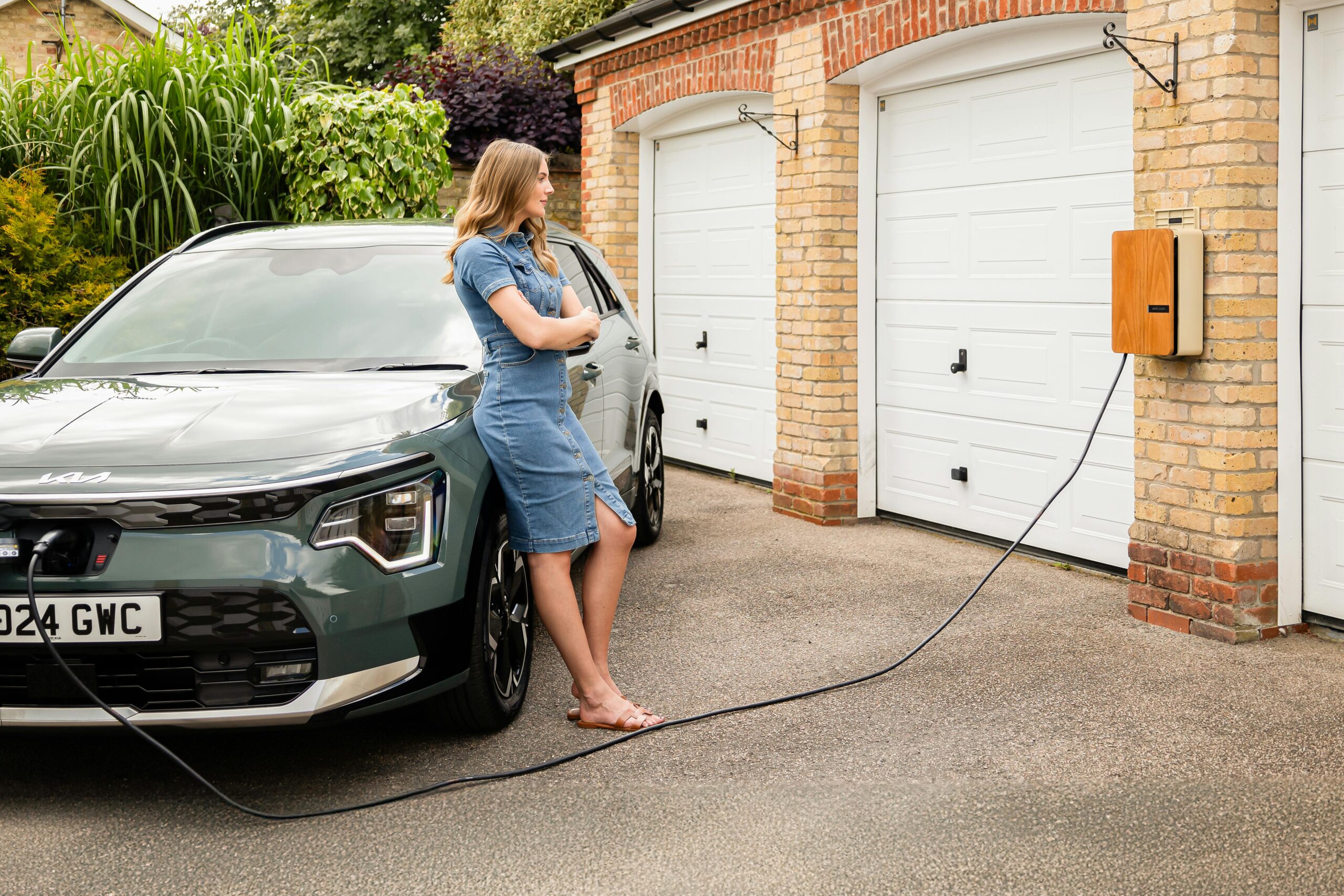
A good home charging setup should match your vehicle’s charging capability, your electrical system, and your parking environment. Indoor garages, carports, driveways, and outdoor parking areas may require different equipment ratings. Many buyers should also consider cord length, connector type, mounting location, app features, warranty coverage, and whether the charger is certified by a recognized testing laboratory.
ENERGY STAR notes that certified EV chargers can use less energy in standby mode than conventional models, which may matter because charging equipment can remain plugged in even when the vehicle is not actively charging.
A simple rule for first-time buyers: choose a charger that is safe, compatible, professionally installed, and easy to use every day. Fancy features are helpful only if they solve a real problem in your routine.
Make Charging Part of the Purchase Plan
First-time EV buyers often spend weeks comparing range, trim levels, colors, and technology packages, but the home charging plan deserves just as much attention. The best ownership experience starts before the vehicle arrives.
Start by understanding your daily driving needs. Decide whether Level 1 charging is enough or whether Level 2 charging makes more sense. Talk with a licensed electrician, check your utility’s EV programs, and choose equipment designed for your parking situation. Once the right setup is in place, home charging can become one of the biggest advantages of driving electric.
An EV changes how you drive, but home charging changes how easy that drive feels. Plan it early, install it properly, and your first electric vehicle can feel less like a major lifestyle shift and more like a smarter way to start every morning.